Every year, hundreds of boating accidents happen across the USA, and many involve drowning. According to the United States Coast Guard, most drowning victims were not wearing a life jacket. Learning how to use the best life jackets can greatly improve your safety on the water. Proper use matters because a poorly fitted device may not protect you during an emergency. This guide explains how to wear, maintain, and use life jackets correctly for every water activity.
Why Life Jackets Matter More Than Ever
Life jackets save lives because they keep your head above water. They also reduce panic during unexpected accidents.
Even strong swimmers can become tired after falling into cold water. Therefore, wearing a life jacket creates an important layer of protection.
Many states across the USA have boating laws that require children to wear life jackets. However, adults should wear them too because accidents happen without warning.
Understanding Different Types of Life Jackets

Not every life jacket serves the same purpose. Different designs match different activities and water conditions.
Type I Offshore Life Jackets
These jackets provide the highest buoyancy and work well in rough waters. They can turn many unconscious people face up in the water.
Type II Near Shore Life Jackets
These models work well for calm lakes and inland waters. They offer good flotation during short rescue times.
Type III Flotation Aids
Most recreational boaters and anglers prefer this style. They provide comfort and allow greater movement.
Type V Special Use Devices
These jackets serve specific activities such as kayaking or paddleboarding. Therefore, users must follow the manufacturer’s instructions carefully.
How to Choose the Right Life Jacket
The right fit makes a huge difference during an emergency. A loose jacket can slip off after a fall.
- Check the approved weight range.
- Select a design for your activity.
- Look for adjustable straps.
- Choose bright colors for visibility.
- Inspect the buoyancy rating.
Children need specially designed life jackets that fit their size and weight. Likewise, adults should never wear children’s models.
How to Properly Wear a Life Jacket
Many people wear life jackets incorrectly without realizing it. Proper adjustment improves both comfort and safety.
Step One: Put the Jacket On Correctly
Slide your arms into the openings and close every buckle. Then secure all zippers and straps.
Step Two: Tighten the Straps
Pull the adjustment straps until the jacket feels snug. However, you should still breathe comfortably.
Step Three: Perform the Lift Test
Ask someone to pull the shoulders of your jacket upward. If it rises over your ears, tighten it again.
Common Mistakes People Make
Many boating accidents involve simple mistakes that people can avoid. Understanding these errors can protect your family.
- Wearing an oversized life jacket.
- Leaving buckles unfastened.
- Storing damaged equipment.
- Ignoring manufacturer instructions.
- Removing the jacket while boating.
Furthermore, many people keep life jackets nearby instead of wearing them. During an emergency, there may not be enough time to put one on.
When You Should Always Wear a Life Jacket
Certain activities carry higher risks and demand extra caution. Therefore, wearing a life jacket becomes essential.
- Kayaking and canoeing.
- Fishing from small boats.
- Paddleboarding.
- Water skiing.
- Boating in rough weather.
Children should wear life jackets whenever they are near water. Likewise, weak swimmers should never enter a boat without one.
Tips for Parents and Families
Children often imitate adults during outdoor activities. Therefore, parents should wear life jackets as positive examples.
Let children practice wearing their jackets before a trip. This simple habit makes them feel comfortable and secure.
Always inspect children’s life jackets before each outing. Small signs of damage can affect performance during an emergency.
How to Maintain a Life Jacket
Proper maintenance extends the life of your safety equipment. It also ensures reliable performance when you need it.
Inspect Before Every Trip
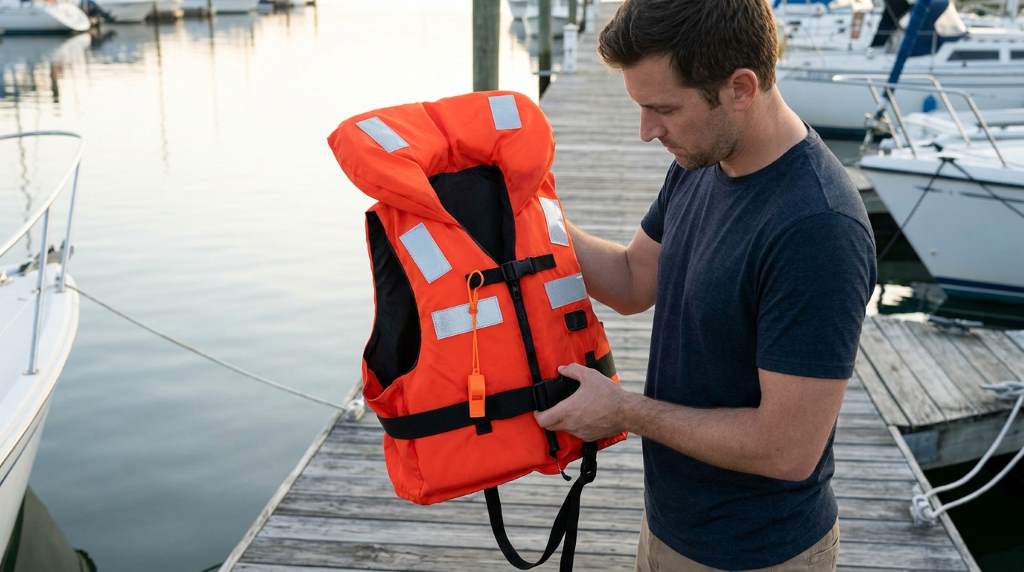
Look for tears, broken buckles, and worn straps. Also check for mold or water damage.
Clean the Jacket Properly
Wash the jacket with mild soap and fresh water. Then allow it to dry naturally away from direct sunlight.
Store It Correctly
Keep the jacket in a cool and dry place. Avoid placing heavy objects on top of it.
Why Inflatable Life Jackets Are Growing in Popularity
Inflatable models provide comfort and reduce bulk during long trips. However, they require regular inspection and maintenance.
These jackets inflate automatically or manually after entering the water. Therefore, users should read the instructions carefully before using them.
Many inflatable designs are not suitable for children. Always verify age recommendations before buying one.
Life Jacket Safety Tips for Fishing Trips
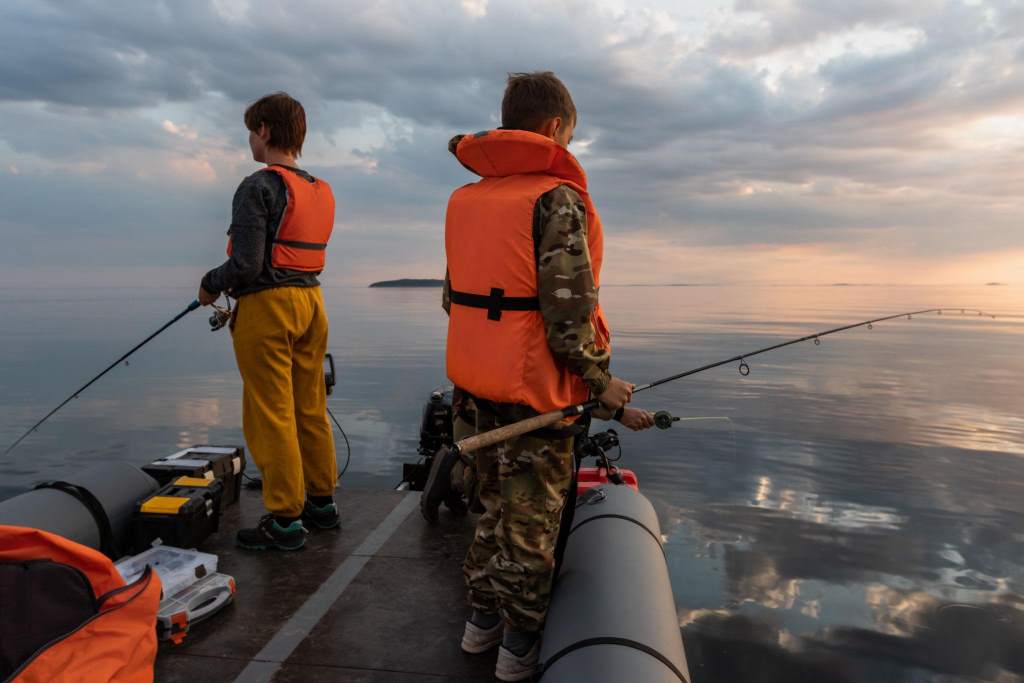
Fishing often involves standing, moving, and reaching around equipment. These actions increase the risk of accidental falls.
Wear a life jacket before launching your boat. Also keep it on throughout the entire trip.
Choose a fishing specific design with pockets and comfortable arm openings. This feature allows easy movement while maintaining safety.
Emergency Actions If Someone Falls Overboard
Remain calm and keep visual contact with the person. Then throw a flotation device if possible.
Turn the boat carefully and approach from downwind. However, avoid sudden movements that could create more danger.
Call emergency services immediately if the person appears injured. Quick action often saves valuable time.
Creating a Life Jacket Habit
The best safety equipment only works when people use it consistently. Therefore, make wearing a life jacket part of every boating trip.
Store jackets where everyone can easily reach them. Encourage friends and family members to wear theirs too.
Safety habits develop through repetition and good examples. A few seconds of preparation can prevent a tragic accident.
Conclusion
Knowing how to use the best life jackets for safety can protect you and everyone around you. The right fit, proper maintenance, and consistent use make every water adventure safer.
Before your next boating or fishing trip in the USA, inspect your life jacket and wear it correctly. Taking this simple step could save a life one day.
Frequently Asked Questions
How tight should a life jacket be?
A life jacket should fit snugly without restricting normal breathing.
Can a child wear an adult life jacket?
No, children should only wear life jackets designed for their size and weight.
How often should I inspect my life jacket?
You should inspect your life jacket before every boating trip.
Do strong swimmers need life jackets?
Yes, even experienced swimmers can face unexpected emergencies.
How long does a life jacket last?
A life jacket can last many years if you maintain and store it properly.