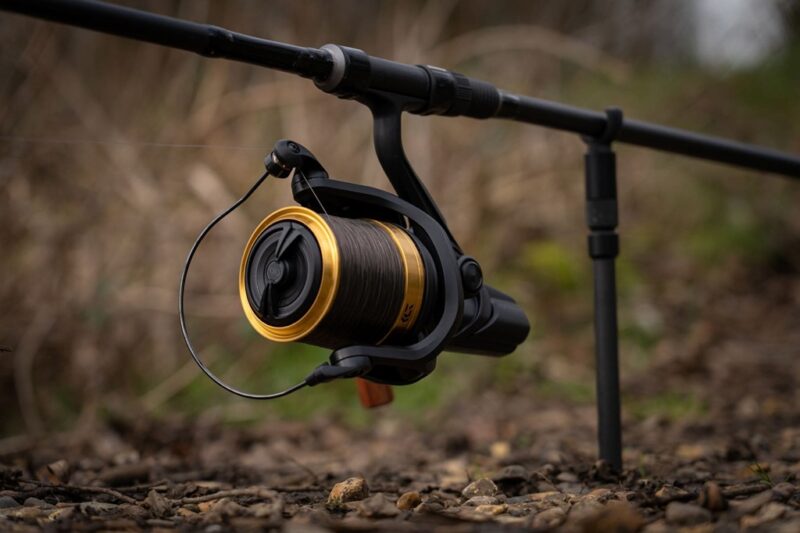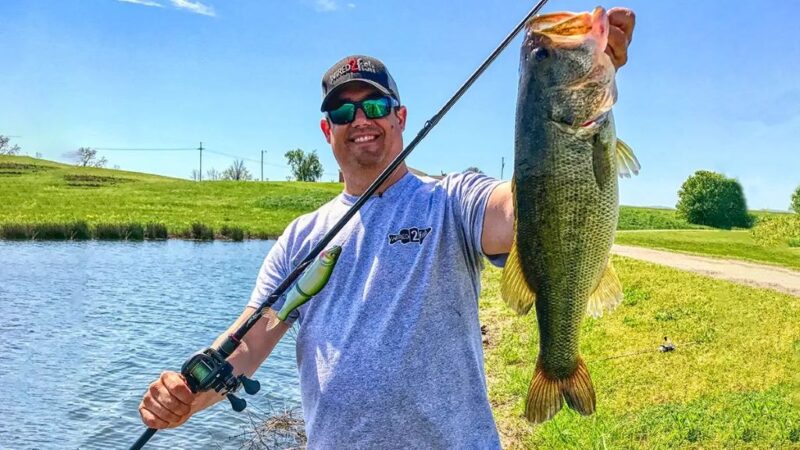

When targeting bass in heavy cover, the Texas rig is a staple. But are you using the best gear ratio for Texas rig presentations? Selecting the right reel can dramatically impact your hooksets and overall efficiency. This comprehensive guide will break down gear ratios, explain their importance, and help you choose the ideal setup for your Texas rig fishing adventures.
Understanding Gear Ratios for Texas Rig Fishing
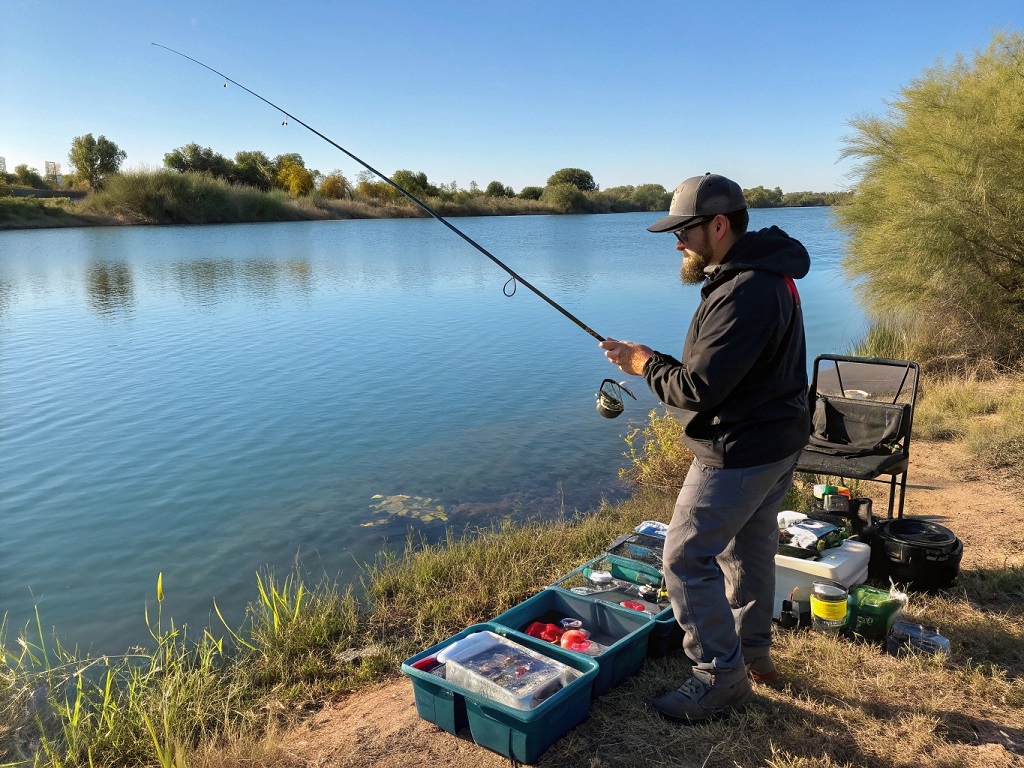
A gear ratio on a fishing reel signifies how many times the spool rotates per single turn of the handle. For example, a 7.1:1 gear ratio means the spool spins 7.1 times with one handle rotation. This directly affects the line retrieval rate, influencing your ability to manage slack and set hooks effectively.
The Importance of Gear Ratios in Texas Rig Presentations
The Texas rig often involves fishing around structure, requiring quick hooksets and managing slack line. A high gear ratio allows you to rapidly take up slack and drive the hook home, especially when bass strike in thick cover. Conversely, a lower gear ratio might be beneficial for slower, more deliberate presentations.
- High Gear Ratios (7.1:1 and above): Excellent for rapid hooksets, managing slack, and quickly retrieving your lure from cover.
- Medium Gear Ratios (6.4:1 – 7.0:1): Versatile options suitable for various Texas rig applications.
- Low Gear Ratios (6.3:1 and below): Ideal for slow, methodical presentations and power fishing.
Choosing the Right Gear Ratio for Your Fishing Style
Your fishing style and the specific conditions you encounter play a crucial role in determining the best gear ratio for Texas rig fishing. Consider these factors:
Cover and Structure
- Heavy Cover (Thick Vegetation, Wood, Rocks): A high gear ratio (7.1:1 or higher) is essential for quickly pulling bass out of dense cover, reducing the risk of them wrapping you up.
- Sparse Cover (Lighter Vegetation, Open Water): A medium gear ratio (6.4:1 – 7.0:1) offers a good balance of speed and power.
Presentation Speed
- Fast Presentations (Flipping, Pitching): A high gear ratio allows for rapid lure retrieval and quick hooksets.
- Slow Presentations (Dragging, Crawling): A lower gear ratio provides better control and allows for a more deliberate presentation.
Line Type and Lure Weight
- Heavy Line (Braid, Heavy Fluorocarbon): A high gear ratio can help manage the increased resistance.
- Light Line (Light Fluorocarbon, Monofilament): A medium gear ratio offers sufficient control without overwhelming the line.
- Heavy Lures: Using heavy weights with texas rigged baits requires high gear ratios.
- Lighter Lures: Using a light texas rigged setup, a medium to low gear ratio may be preffered for feel.
Recommended Gear Ratios for Texas Rig Fishing
To help you make an informed decision, here’s a breakdown of recommended gear ratios based on common scenarios:
Flipping and Pitching
- Gear Ratio: 7.1:1 – 8.1:1
- Rationale: Rapid line pickup is crucial for quick hooksets in close-quarters combat.
Dragging and Crawling
- Gear Ratio: 6.4:1 – 7.0:1
- Rationale: Provides a good balance of speed and power, allowing for controlled presentations.
General Texas Rig Fishing
- Gear Ratio: 6.7:1 – 7.3:1
- Rationale: Offers versatility for various Texas rig applications, making it a good all-around choice.
Reels and Other Texas Rig Components
Choosing the correct reel along with gear ratio is paramount. Consider a baitcasting reel with a smooth drag system and adequate line capacity. Consider as well the rod you use and the line you choose. A Medium-heavy rod is a texas rigs best friend. Choosing a strong line is necessary as well. A heavier fluorocarbon, or braided line, should be considered when texas rigging.
Baitcasting Reels: Power and Precision
Baitcasting reels offer the power and control necessary for Texas rig fishing. Look for reels with:
- Strong Drag Systems: To handle powerful hooksets and fighting fish.
- Durable Construction: To withstand the rigors of heavy cover fishing.
- Smooth Castability: For accurate presentations in tight spots.
Rods: Sensitivity and Backbone
Pair your reel with a medium-heavy to heavy power rod for optimal performance. These rods provide the sensitivity to detect subtle bites and the backbone to drive hooks home.
Lines
Choose a heavy fluorocarbon or braided line. Heavy cover means you will need to haul fish out of dense foliage.
Fine-Tuning Your Texas Rig Setup
Beyond gear ratios, fine-tuning your entire setup can significantly enhance your Texas rig fishing experience.
- Hook Selection: Choose hooks appropriate for the size and style of your plastic bait.
- Weight Selection: Adjust weight based on cover density and desired presentation speed.
- Trailer Selection: Adding trailers can increase profile and attract more strikes.
Read More Also: Best Knot for a Crankbait: How to Tie the Perfect Knot for Optimal Action
Conclusion: Maximizing Your Texas Rig Success
Finding the best gear ratio for Texas rig fishing is a balance of understanding your fishing style, the cover you’re targeting, and the presentation you intend to use. Choosing the correct reel is one part of many variables. Understanding gear ratios empowers you to choose the best reel for your style, and optimize your overall texas rig fishing approach.
By carefully considering these factors and experimenting with different gear ratios, you’ll be well on your way to mastering the Texas rig and landing more bass.
Ready to elevate your Texas rig game? Explore our selection of high-performance baitcasting reels and rods to find the perfect gear ratio for your next fishing adventure!