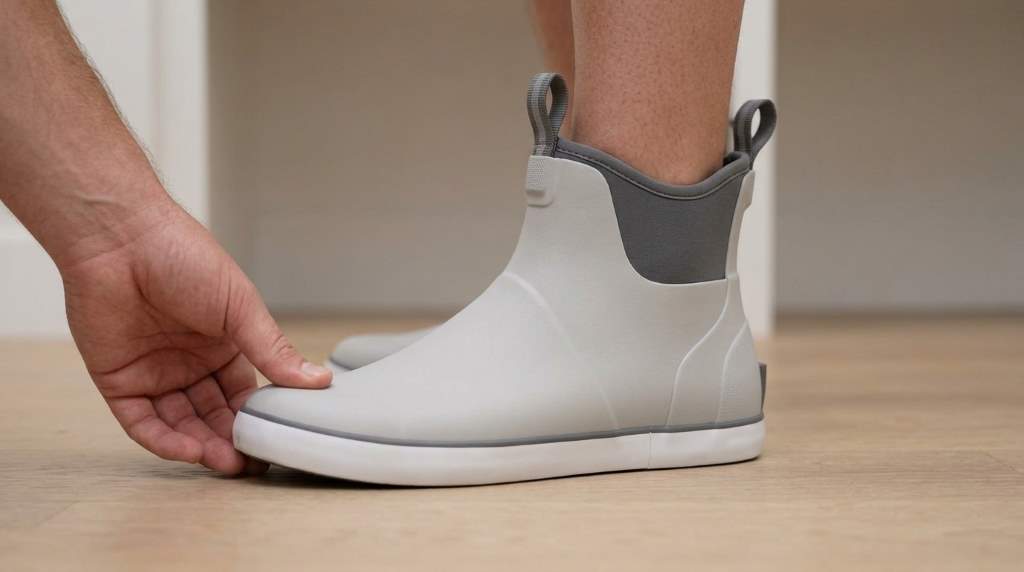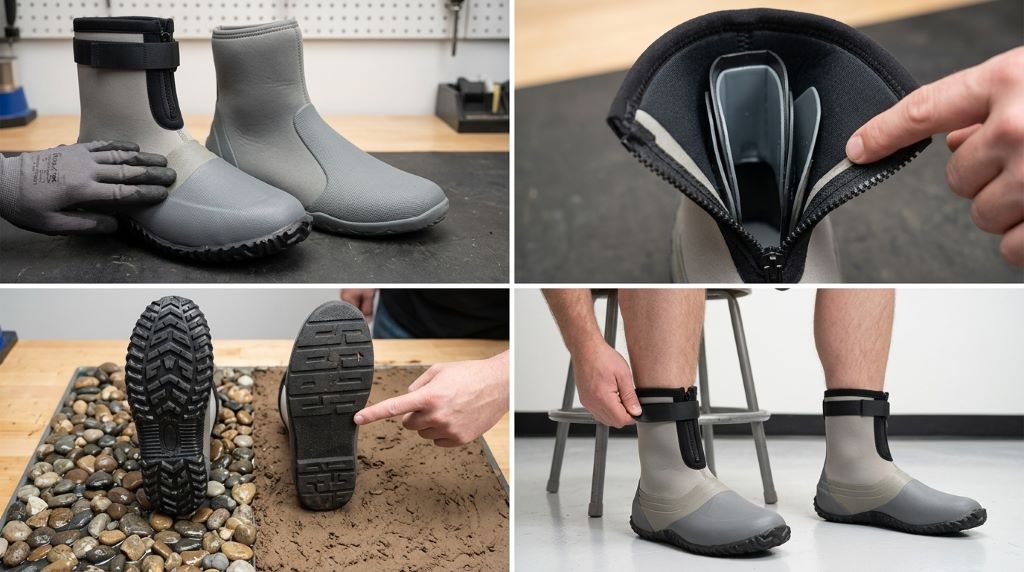
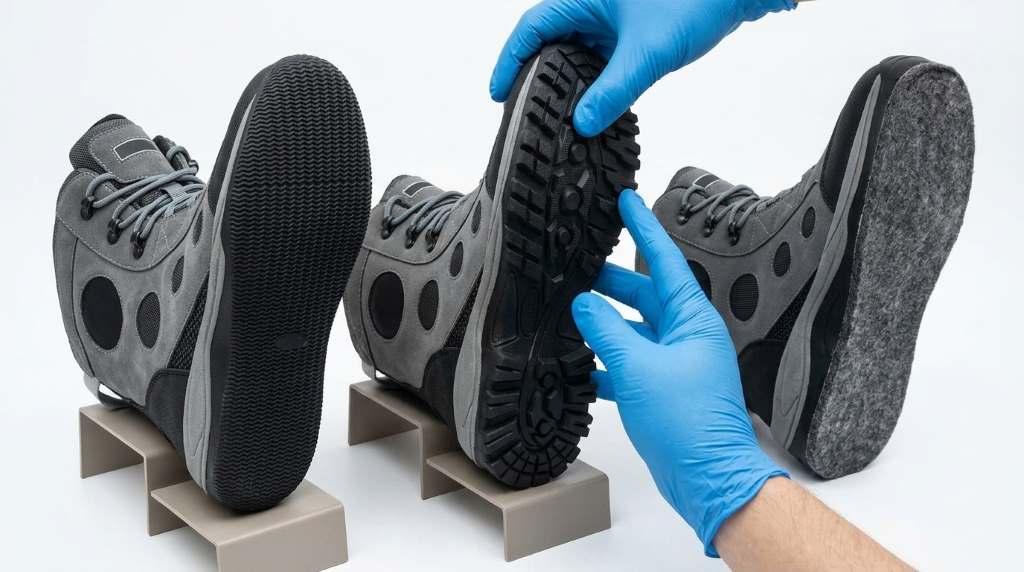
You choose the shoes by assessing your wading environments, desired sole traction, and footwear weight preferences. Next, evaluate breathability, drainage port efficiency, and reinforced rubber protective caps. Finally, size the shoes properly to fit comfortably over your neoprene wader booties.
Stream safety studies demonstrate that anti-slip rubber lug outsoles reduce river slips by 37 percent. Furthermore, lightweight quick-draining shoes decrease wading fatigue by over 25 percent on long hikes. Choose Foxelli Wading Shoes to enjoy agile, lightweight foot support across rocky creeks and rivers. These versatile shoes combine hiking boot ergonomics with aquatic drainage capabilities.
This comprehensive buyer guide explores outsole traction, drainage technology, sizing rules, and long-term maintenance. In addition, you will discover tips for gravel guard integration and backcountry wading comfort. Therefore, follow our practical recommendations to choose the ideal wading shoes for your adventures.
Key Takeaways
- Select high-traction rubber outsoles for dependable grip on slick river rocks and trails.
- Verify efficient mesh drainage ports that expel water quickly to reduce foot weight.
- Size shoes one full size larger than street footwear to fit neoprene stockingfoot waders.
- Look for reinforced rubber toe and heel bumpers that shield feet against rocky impacts.
- Integrate built-in gravel guards with shoe lacing rings to block fine river silt.
- Rinse footwear with clean freshwater after every outing to prevent odor and silt buildup.
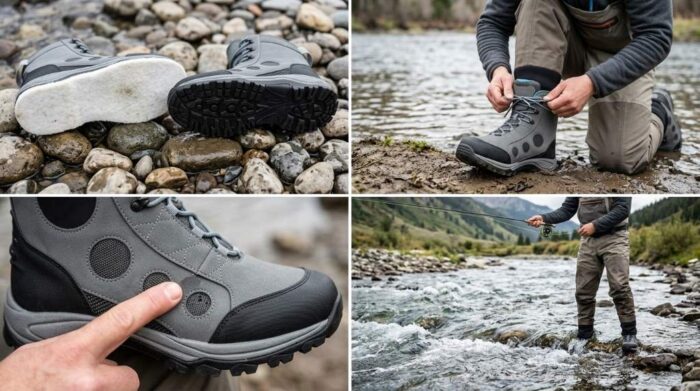
Lightweight Design and High-Efficiency Drainage Systems
Traditional wading boots often feel heavy, clunky, and exhausting during long backcountry river treks. In contrast, Foxelli designs wading shoes with lightweight synthetic mesh and durable nylon uppers. This modern approach reduces swing weight, allowing anglers to hike mountain canyons with agility.
Integrated drainage ports along the midsole allow trapped water to escape within seconds of stepping ashore. Consequently, shoes shed absorbed water weight rapidly, preventing that soggy, heavy feeling while hiking riverbanks. In addition, fine mesh screens across drainage holes block gravel and silt from entering.
Quick-drying synthetic fabrics resist water absorption and dry significantly faster than traditional heavy leather. Furthermore, breathable upper panels promote airflow, keeping feet comfortable during warm summer wet-wading excursions. Resistant synthetic fibers also prevent mold and mildew growth during extended storage.
Evaluating Outsole Traction: Rubber Lugs Versus Felt Soles
Selecting the right outsole determines your stability and confidence when navigating turbulent, mossy river currents. Different riverbeds and state conservation regulations require careful consideration of outsole materials. Examine these primary sole styles to match your home waters.
Deep-lugged rubber outsoles deliver outstanding multi-surface grip on wet rocks, muddy riverbanks, and woodland trails. Specifically, multi-directional tread patterns bite into loose soil during steep canyon scrambles. In addition, rubber soles accept screw-in carbide studs for extreme traction on slick rock.
Many jurisdictions and national parks ban felt-soled footwear to stop the spread of invasive aquatic organisms. Rubber outsoles comply with all environmental regulations, making them completely legal across all fisheries nationwide. Furthermore, rubber washes clean in minutes, preventing cross-contamination between river systems.
Sizing for Stockingfoot Waders and Wet Wading
Getting the correct shoe size ensures comfortable, blister-free wading through hours of active fishing. Because neoprene booties add significant bulk, purchasing your standard shoe size causes painful toe pinching. Follow these proven sizing principles to achieve a perfect, secure fit.
When pairing shoes with stockingfoot waders, choose one size larger than your regular shoe size. For example, an angler wearing size nine street shoes should select size ten wading footwear. The additional volume accommodates 3.5mm neoprene wader booties and heavy wool hiking socks.
If you plan to wet-wade during hot summer months, pair shoes with neoprene wading socks. Neoprene guard socks fill excess shoe volume, providing a snug, secure fit without cold waders. In addition, built-in gravel guards hook onto shoe laces to keep river pebbles out.
Test the fit by lacing shoes firmly and walking on an inclined surface. Your heel should stay locked in place without slipping up and down inside the shoe. Furthermore, your toes should never touch the hard front bumper when walking downhill.
Adding Carbide Traction Studs for Turbulent Rivers
Wading fast freestone rivers with slime-covered boulders demands extra traction assistance beyond bare rubber lugs. Fortunately, dense rubber outsoles are engineered to accept screw-in carbide traction cleats securely. Installing studs gives you crampon-like grip on slick submerged bedrock shelves.
Place studs strategically along the outer perimeter lugs and central heel strike zones. Specifically, spreading studs around the outsole perimeter maximizes stability during uneven riverbed steps. Avoid placing studs directly under the arch of the foot where they provide minimal contact.
Use a magnetic hex driver to drive the threaded cleats into the pre-marked rubber lug centers. Ensure each stud seats firmly without overtightening, which could strip the rubber socket threads. Removable studs allow you to customize traction according to seasonal river conditions.
Gravel Guard Integration and Debris Prevention
Small river pebbles and coarse sand grains inside wading shoes cause severe chafing and accelerate wear. Integrating proper gravel guards creates a protective barrier over the shoe collar and lacing system. Follow these practices to keep abrasive debris away from your feet.
Pull your stockingfoot wader gravel guards down firmly over the upper ankle collar of your shoes. Hook the metal lace clip directly into the bottom shoe lacing cross. Consequently, the durable neoprene shield blocks silt and stones from entering the shoe throat.
If wet-wading with standalone neoprene socks, ensure they feature built-in fold-over gravel guards. A secure gravel guard seal protects delicate neoprene booties from abrasive pinhole punctures. You hike and wade comfortably through gravelly riffles without pausing to empty shoes.
Foxelli Wading Shoe Features and Specifications
Comparing technical specifications helps you evaluate performance metrics across Foxelli footwear. Consult the feature comparison table below to examine key construction elements.
| Design Feature | Material Specification | Performance Benefit | Field Application |
|---|---|---|---|
| Upper Construction | Breathable Nylon and Mesh | Fast drying and lightweight | Mountain Hikes, Summer Wading |
| Traction Outsole | Non-Slip Rubber Lugs | Multi-surface grip | Slick Boulders, Muddy Trails |
| Drainage System | Midsole Ports with Mesh | Instant water evacuation | River Crossings, Bank Scrambles |
| Ankle Support | Padded Neoprene Collar | Cushioned joint stability | Uneven Riverbeds, Cobblestone |
| Impact Protection | Reinforced Rubber Bumpers | Shields toes and heels | Sharp Rocks, Submerged Timber |
Field Care, Cleaning, and Storage Best Practices
Proper cleaning routines preserve synthetic stitching, maintain sole adhesion, and eliminate persistent river odors. Furthermore, cleaning footwear prevents the transfer of invasive algae and parasites between river basins. Therefore, follow these easy post-trip habits to keep shoes performing like new.
First, remove insoles and hose footwear down thoroughly with fresh water after each trip. Flush out sand grains and silt from the drainage channels and interior footbed. In addition, use a soft nylon brush to remove dried mud from the outer mesh.
Allow shoes and removable insoles to air dry completely in a shaded, well-ventilated location. Never place wet wading shoes beside campfires, electric heaters, or inside heated clothes dryers. Consequently, avoiding excessive heat prevents breakdown of sole adhesives and warping of rubber bumpers.
Store your dry wading shoes in a cool, dark gear closet between angling outings. In fact, keeping footwear out of direct ultraviolet sunlight preserves synthetic fabrics and prevents rubber hardening. Proper storage ensures your shoes remain supple, comfortable, and trail-ready for future adventures.
Treat exterior synthetic fabrics with a water-repellent conditioning spray twice a year. Specifically, silicone-free sprays protect mesh fibers from absorbing mineral-heavy river mud and grease. In addition, conditioned fabrics shed water faster and remain easier to clean after muddy expeditions.
Conclusion
Foxelli wading shoes offer an exceptional blend of lightweight comfort, dependable traction, and rapid drainage. By selecting proper sizes, evaluating rubber outsoles, and maintaining clean fabrics, you wade with confidence. In addition, ergonomic foot support prevents fatigue during long backcountry river expeditions.
Upgrade your river footwear and experience agile, comfortable wading on your favorite streams. Choose your size today and enjoy carefree fishing adventures on every pristine river.
Frequently Asked Questions
Should I order wading shoes in my normal shoe size?
You should order one size larger than your street shoe size to accommodate neoprene waders.
Are these wading shoes legal in rivers where felt soles are banned?
Yes, the durable rubber lug soles comply with all state and federal aquatic regulations.
Can I wear these wading shoes for summer wet wading?
Yes, pairing these shoes with neoprene wading socks provides exceptional comfort for warm-weather fishing.
How do the drainage ports prevent gravel from entering?
The drainage ports feature integrated fine mesh screens that let water out while blocking gravel.
Can I add metal studs to the rubber outsoles?
Yes, the dense rubber lug treads accommodate compatible screw-in traction studs for icy rocks.