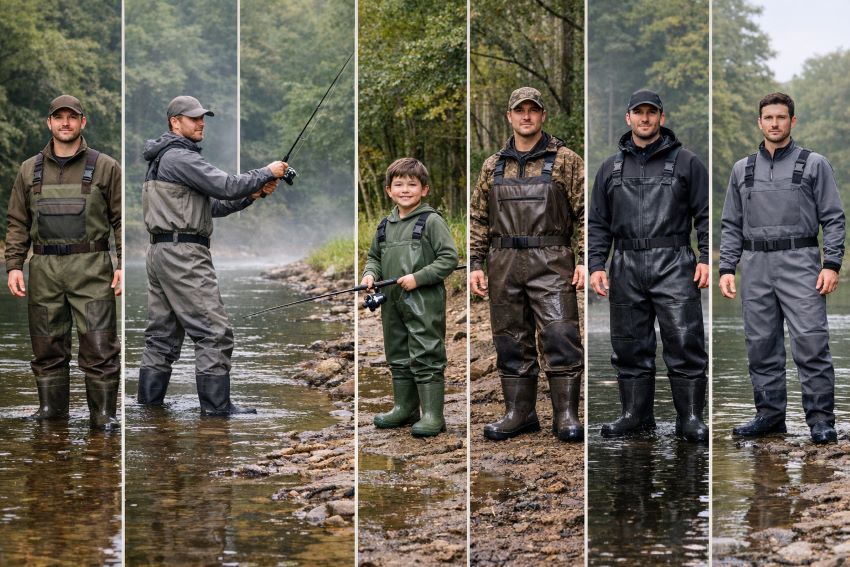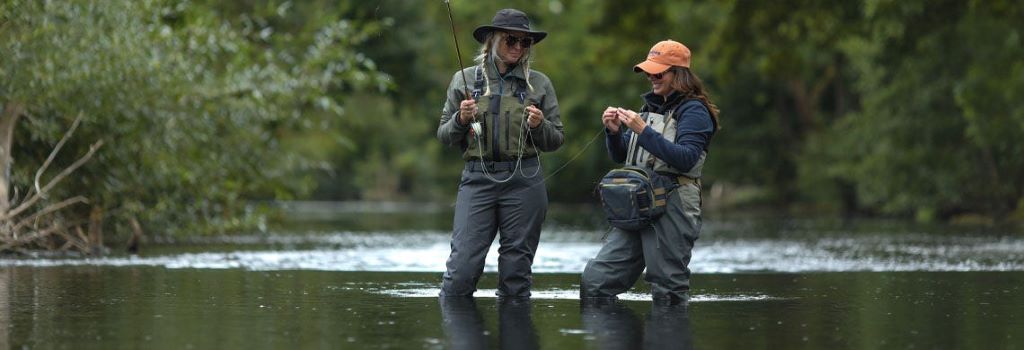
You choose the boots by assessing your wading terrain, required stingray protection, and sole traction needs. Next, select an appropriate boot size that accommodates your neoprene wader booties comfortably. Finally, evaluate reinforced side zippers, puncture-resistant shields, and heavy-duty ankle support.
Coastal wading safety surveys show that reinforced boots prevent over 85 percent of stingray barb injuries. Furthermore, marine footwear studies reveal that vulcanized rubber outsoles improve shell reef traction by 31 percent. Choose Foreverlast Wading Boots to gain proven puncture defense across oyster reefs and mud flats. These rugged wading boots provide dependable stability in demanding saltwater environments.
This comprehensive buying guide covers armor construction, sole selection, sizing guidelines, and saltwater care. In addition, you will discover essential tips for stingray protection and reef navigation. Therefore, follow our expert advice to select the best wading footwear for your coastal expeditions.
Key Takeaways
- Select ray-guard reinforced models for vital puncture defense when wading shallow coastal flats.
- Size boots one full size up to fit bulky neoprene stockingfoot booties comfortably.
- Choose heavy lugged rubber soles for superior traction on oyster reefs and mud bottoms.
- Inspect marine-grade nylon side zippers for fast, effortless entry and exit.
- Practice the stingray shuffle technique to slide boots smoothly across sandy bottoms.
- Rinse boots thoroughly with clean freshwater after every saltwater angling session.
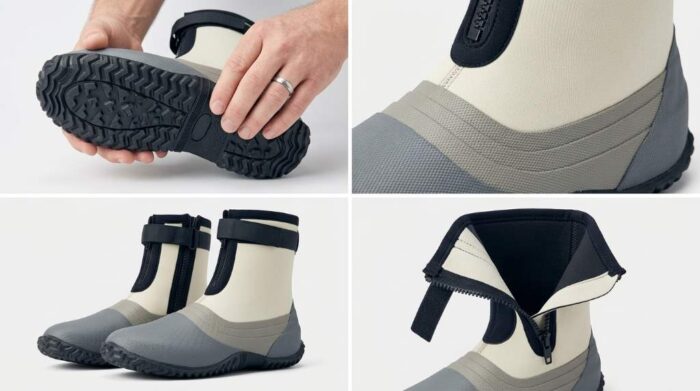
Puncture Protection and Stingray Defense Technology
Wading shallow saltwater flats exposes anglers to hidden hazards like stingrays, jagged oysters, and submerged debris. Specifically, Foreverlast integrates multi-layer puncture-resistant composite shields directly into the lower boot walls. This rigid barrier deflects venomous stingray barbs and sharp oyster shells effectively.
A reinforced vulcanized rubber toe cap and heel counter surround your foot with armor-like strength. Consequently, accidental impacts against submerged shell reefs will not bruise toes or tear outer fabrics. Furthermore, heavy rubber randing around the perimeter prevents abrasive sand from wearing down seams.
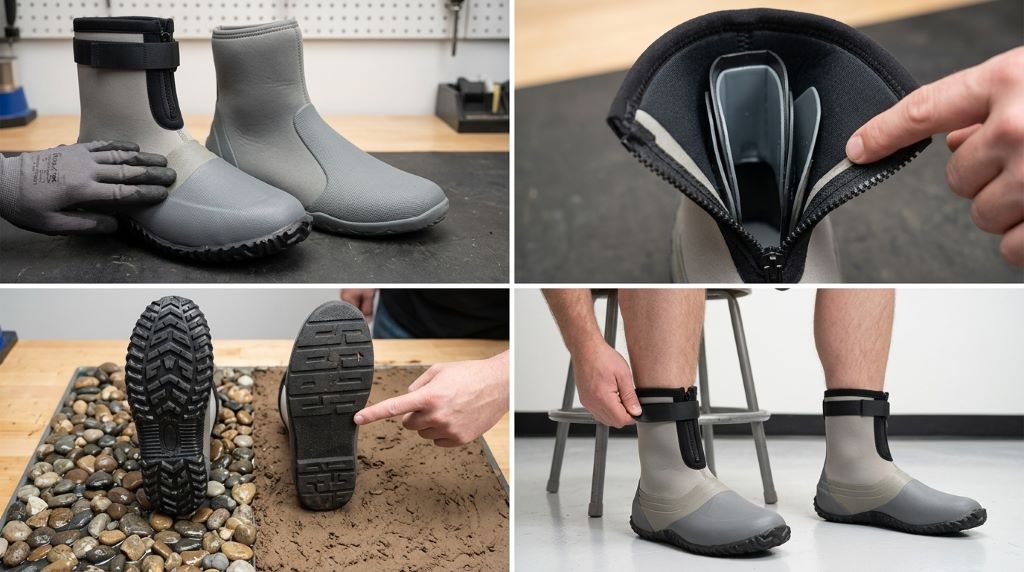
Heavy-duty marine zippers with hook-and-loop security flaps provide secure closure and easy field entry. In addition, internal neoprene gussets prevent fine sand and shell gravel from penetrating into your socks. Therefore, your feet remain comfortable and protected during long days of surf wading.
Selecting the Ideal Outsole for Your Wading Substrate
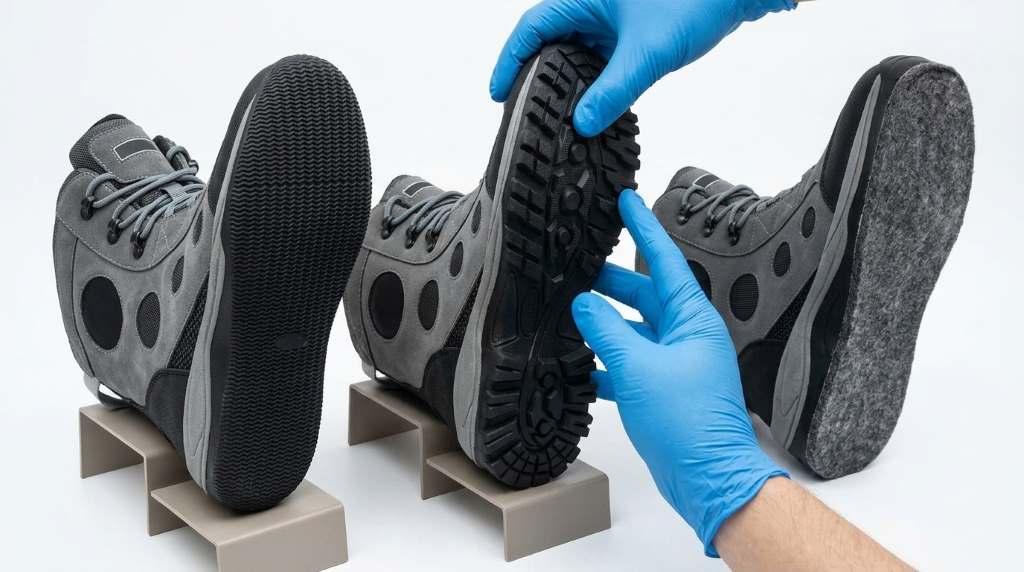
Choosing the correct outsole depends heavily on the specific coastal or river bottom you explore. Different seabed substrates require specialized tread patterns to maintain firm footing without slipping. Evaluate these popular sole designs to match your fishing destination.
Heavy lugged rubber outsoles deliver outstanding grip across soft sand, slippery mud, and jagged oyster reefs. Wide tread spacing sheds sticky clay mud easily while deep lugs bite into slick grassbeds. Furthermore, durable rubber withstands long walks along abrasive shell roads without excessive wear.
Felt outsoles excel on slippery algae-covered river rocks and mossy freshwater boulders. Specifically, compressed synthetic fibers compress against smooth rocks, preventing dangerous underwater slips. However, felt soles absorb saltwater and can transport invasive aquatic species between separate water systems.
Sizing Guidelines for Stockingfoot Waders and Neoprene Socks
Proper sizing is critical because wading boots must accommodate thick neoprene wader booties comfortably. Buying boots in your standard street shoe size leads to cramped toes and painful blisters. Follow these simple sizing rules to ensure an ergonomic, supportive fit.
First, measure your foot while wearing the exact socks and waders you plan to use. Most anglers require wading boots that are one full size larger than normal street shoes. For example, if you wear a size ten shoe, choose a size eleven wading boot.
Verify that your toes have ample room to wiggle without pressing against the front toe cap. Adequate toe room preserves healthy circulation and keeps your feet warm in cold coastal waters. Next, ensure the heel fits snugly to prevent internal foot slippage while wading heavy mud.
Fasten the side zipper and cinch the upper ankle straps securely around your lower calf. A supportive ankle collar prevents muddy suction from pulling boots off your feet in coastal bogs. In addition, proper ankle stability protects ligaments when stepping into hidden underwater potholes.
Navigating Coastal Mud and the Stingray Shuffle
Walking through coastal bays requires specialized footwork to avoid stepping directly onto buried stingrays. Rather than lifting your feet with high steps, slide your boots forward along the sandy bottom. This shuffling motion bumps resting rays gently, alerting them to swim away safely.
When wading across deep soft mud, keep your stride short and shift body weight deliberately. Stepping heavily onto heels in deep silt can wedge boots into sticky clay beds tightly. Consequently, rolling your weight from heel to toe helps break mud suction smoothly.
If your boot becomes hopelessly stuck in deep coastal silt, do not yank violently. Instead, twist your ankle from side to side to allow water to break the vacuum seal. Once water penetrates beneath the sole, you can lift your foot free effortlessly.
Model Comparison and Specification Breakdown
Evaluating specifications across Foreverlast wading models helps you select the right boot for your waters. Review the comparison table below to examine key features and recommended environments.
| Boot Model | Armor Rating | Outsole Material | Closure System | Recommended Fishery |
|---|---|---|---|---|
| Ray-Guard Reef Boot | Multi-Layer Shield | Hard Lugged Rubber | Side Zipper and Strap | Texas Flats, Oyster Shell Reefs |
| B flats Wading Bootie | Reinforced Rubber | Cleated Gum Rubber | Heavy-Duty Zipper | Warm Water Sand Flats, Kayak |
| Pro Salt Wader Boot | Heavy Randing | Tough Lug Outsole | Lace and Side Zipper | Cold Surf, Deep Mud Flats |
| All-Terrain Wader Shoe | Standard Shield | Felt or Rubber Sole | Speed Lace System | River Jetties, Coastal Inlets |
Zipper Care in Hypersaline Coastal Waters
Coastal bays often feature hypersaline water conditions that accelerate metal corrosion and salt crust formation. In particular, dried salt crystals can pack inside zipper tracks, causing sliders to lock up completely. Implementing proactive maintenance preserves smooth zipper operation throughout the entire fishing season.
After each trip, spray the zipper teeth thoroughly with pressurized freshwater from a garden hose. Ensure that all dried salt crystals and fine sand grains wash away from the fabric backing. Furthermore, use an old toothbrush to clean between zipper teeth if grit feels stubborn.
Apply a marine zipper wax stick or silicone lubricant spray along the entire track length. Slide the metal zipper up and down several times to distribute the protective lubricant evenly. This simple habit prevents corrosion and ensures effortless entry before early morning fishing trips.
Field Maintenance and Saltwater Care Guidelines
Harsh saltwater environments degrade zippers, adhesives, and fabrics if equipment is neglected after trips. Routine freshwater washing prevents corrosive salt crystal buildup and eliminates unpleasant marsh odors. Therefore, follow these maintenance practices to keep your boots in peak condition.
First, hose boots down thoroughly with fresh tap water immediately after every fishing trip. Spray high-pressure water inside the boots to flush out trapped sand grains and mud. In addition, clean zipper teeth with a soft nylon brush to remove dried salt crust.
Allow boots to dry in a shaded, well-ventilated location away from direct sunlight. High ambient heat from clothes dryers can weaken glue seams and crack vulcanized rubber. Consequently, storing boots in a cool, dry garage preserves rubber elasticity for years.
Inspect the rubber rand and sole seams periodically for any signs of separation or abrasion. Addressing minor wear early with marine adhesive prevents water and grit from infiltrating inner layers. Furthermore, proper seasonal care ensures your boots remain dependable for many rewarding coastal outings.
Store dry boots upright in your gear room without placing heavy weights across the ankle collars. Crushing collars during storage can crease internal ray shields and compromise protective alignment. Ultimately, maintaining structural integrity ensures continuous barrier protection across all future wading adventures.
Conclusion
Selecting the right wading boots ensures safety, comfort, and puncture defense on treacherous coastal flats. By choosing ray-guard armor, sizing for stockingfeet, and maintaining zippers, you wade with confidence. In addition, quality footwear protects you from painful stingray injuries and razor-sharp oyster shells.
Invest in your wading safety and equip your coastal gear with dependable boots today. Select your pair and step safely onto productive saltwater flats on your next expedition.
Frequently Asked Questions
Do these wading boots protect against stingray barbs?
Yes, ray-guard models feature multi-layer puncture-resistant shields designed to deflect stingray barbs.
Should I size up when buying wading boots?
You should purchase boots one size larger than your street shoes to accommodate wader booties.
How do I clean marine zippers on wading boots?
Flush zipper tracks with freshwater and apply silicone lubricant to prevent salt corrosion.
Can I wear these boots without stockingfoot waders?
Yes, you can pair them with thick neoprene wading socks for warm-weather summer fishing.
What outsole works best on razor-sharp oyster reefs?
Heavy vulcanized lugged rubber outsoles provide superior puncture resistance and traction on oyster reefs.