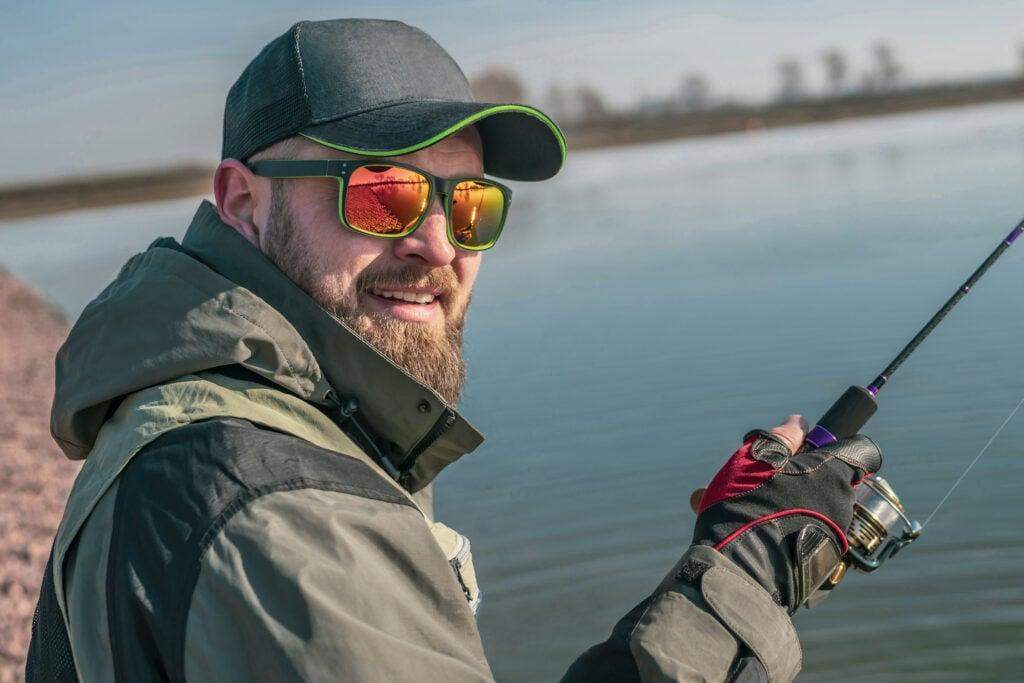
Fishing looks peaceful on the surface, yet your eyes work hard every second. Glare from water can reduce visibility by up to 90 percent, according to marine safety studies. Moreover, long exposure to UV rays increases the risk of eye damage, as reported by the World Health Organization. That is why choosing the right sunglasses for fishing is not just about comfort but also about performance and safety. In this guide, you will learn how to choose the best sunglasses for fishing in any water condition so you can see clearly, protect your eyes, and improve your catch rate.
Why Sunglasses Matter in Fishing
Fishing is not just about patience. It is also about visibility. When sunlight hits water, it creates glare that blocks your view beneath the surface. As a result, you miss fish movement, underwater structures, and changes in depth. Good sunglasses solve this problem.
They help you:
- Reduce surface glare
- Spot fish and underwater features
- Protect eyes from harmful UV rays
- Improve focus during long fishing sessions
Therefore, investing time in choosing the right pair directly improves your fishing success.
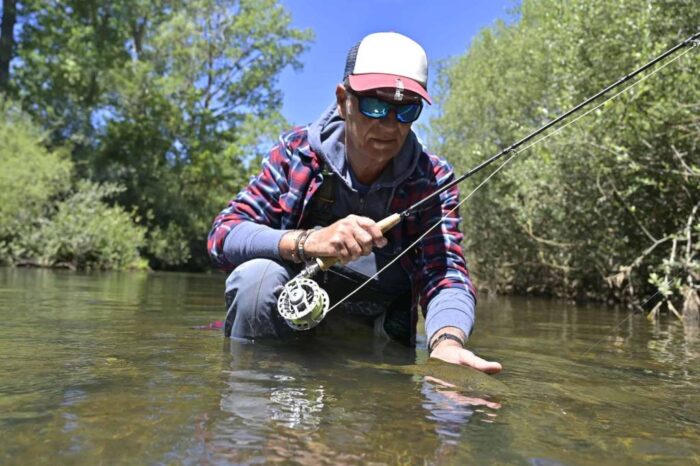
Understanding Polarization and Why It Matters
Polarized lenses are the most important feature for fishing sunglasses. They filter horizontal light waves that cause glare.
Without polarization, your eyes struggle to see through reflective surfaces. With polarization, clarity improves instantly.
Key benefits of polarized lenses
- Clear underwater visibility
- Reduced eye strain
- Better color contrast
- Improved reaction time when spotting fish
For example, when fishing in shallow flats, polarized lenses allow you to see fish movement that would otherwise remain hidden.
Lens Color Guide for Different Water Conditions
Choosing the right lens color depends on water type and light conditions. Each color enhances contrast differently.
1. Blue Lenses
Best for offshore fishing and deep water
- Reduces bright sunlight
- Enhances color perception
- Ideal for open ocean
2. Green Lenses
Best for inshore fishing
- Improves contrast in varied lighting
- Works well in lakes and rivers
- Balanced brightness control
3. Amber or Copper Lenses
Best for low light and freshwater
- Increases contrast in cloudy conditions
- Helps detect fish in murky water
- Great for early morning or late afternoon
4. Gray Lenses
Best for general use
- Maintains natural colors
- Reduces brightness without distortion
- Suitable for long hours
Frame Design and Fit for Comfort and Stability
Comfort matters more than most people think. If your sunglasses slip or pinch, they become a distraction.
Look for these features
- Lightweight frames for long use
- Non slip nose pads
- Wraparound design for full coverage
- Secure temple grips
A wraparound design blocks light from the sides. As a result, you get better clarity and protection.
Lens Material and Durability
Fishing environments can be rough. Your sunglasses must handle drops, water exposure, and scratches.
Common lens materials
- Glass lenses
- Superior clarity
- Scratch resistant
- Slightly heavier
- Polycarbonate lenses
- Lightweight
- Impact resistant
- Less scratch resistant
- Composite lenses
- Balanced performance
- Durable and clear
If you fish often in rugged areas, polycarbonate lenses are a safer choice. However, if clarity is your priority, glass lenses perform better.
UV Protection and Eye Safety
UV protection is not optional. It is essential.
Long exposure to UV rays can lead to cataracts and retinal damage. Therefore, always choose sunglasses that block 100 percent of UVA and UVB rays.
Signs of proper UV protection
- Labeled UV400
- Certified by recognized standards
- No visible distortion
Matching Sunglasses with Fishing Environments
Different environments require different features. Choosing correctly gives you an advantage.
Freshwater Fishing
- Use amber or green lenses
- Focus on contrast
- Ideal for rivers and lakes
Saltwater Fishing
- Use blue or gray lenses
- Focus on brightness reduction
- Suitable for open water
Cloudy Conditions
- Use copper or amber lenses
- Enhance contrast in low light
- Improve visibility despite dull skies
Bright Sunlight
- Use gray or blue lenses
- Reduce harsh glare
- Maintain natural color balance
Additional Features That Improve Performance
Small details can make a big difference.
Consider these extras
- Anti reflective coating for better clarity
- Hydrophobic coating to repel water
- Scratch resistant layers for durability
- Ventilation to reduce fogging
These features enhance usability, especially during long fishing trips.
Common Mistakes to Avoid
Even experienced anglers make mistakes when choosing sunglasses.
Avoid these errors
- Ignoring polarization
- Choosing style over function
- Skipping UV protection
- Using the wrong lens color for conditions
Each mistake reduces performance and comfort.
Real World Example
Imagine fishing in a shallow lake on a sunny afternoon. Without proper sunglasses, glare blocks your view. You cast blindly.
Now, with polarized green lenses, you see fish movement clearly. You adjust your cast and improve your chances instantly.
This simple upgrade transforms your fishing experience.
Conclusion
Choosing the best sunglasses for fishing in any water condition is not complicated when you understand the basics. Focus on polarized lenses, pick the right lens color, ensure proper fit, and never compromise on UV protection. Each factor plays a role in improving visibility and comfort.
Take action today. Upgrade your sunglasses based on your fishing environment and notice the difference in your performance.
FAQs
What are the best sunglasses for fishing?
Polarized sunglasses with proper UV protection and the right lens color for your environment are the best choice.
Are polarized lenses necessary for fishing?
Yes. They reduce glare and improve underwater visibility, which helps you spot fish easily.
Which lens color is best for freshwater fishing?
Green and amber lenses work best because they enhance contrast in lakes and rivers.
Can I use regular sunglasses for fishing?
Regular sunglasses lack polarization, so they do not reduce glare effectively. This limits visibility.
How do I know if sunglasses have UV protection?
Look for labels like UV400 or certification that confirms full UVA and UVB protection.