Kayak and boat storage, along with coolers and gear organization, ensures your equipment stays safe and ready for adventure. Proper storage protects kayaks and boats from damage, while organized gear saves time and enhances safety. Whether you’re a weekend paddler or a seasoned boater, efficient systems make every trip enjoyable. This guide explores practical solutions for kayak and boat storage, cooler management, and gear organization. With tips grounded in experience and research, you’ll learn how to maximize space and maintain equipment. Let’s dive into creating a system that keeps your gear in top shape.
Why Proper Kayak and Boat Storage Matters
Proper kayak and boat storage prevents costly damage from weather, UV rays, and improper handling. Storing boats incorrectly can lead to cracks, warping, or hull damage. For instance, leaving a kayak exposed to sunlight degrades its material over time. According to a 2023 study by the National Marine Manufacturers Association, 65% of boat owners reported damage due to poor storage practices.
To avoid this, store kayaks and boats in a shaded, dry area. Use racks or slings to keep them off the ground, reducing pressure points. Additionally, consider indoor storage for winter months to protect against freezing temperatures. My first kayak developed cracks after I left it on the ground for a season. Since then, I’ve used a wall-mounted rack, which has kept my kayak in pristine condition.
Choosing the Right Storage Solutions for Kayaks and Boats
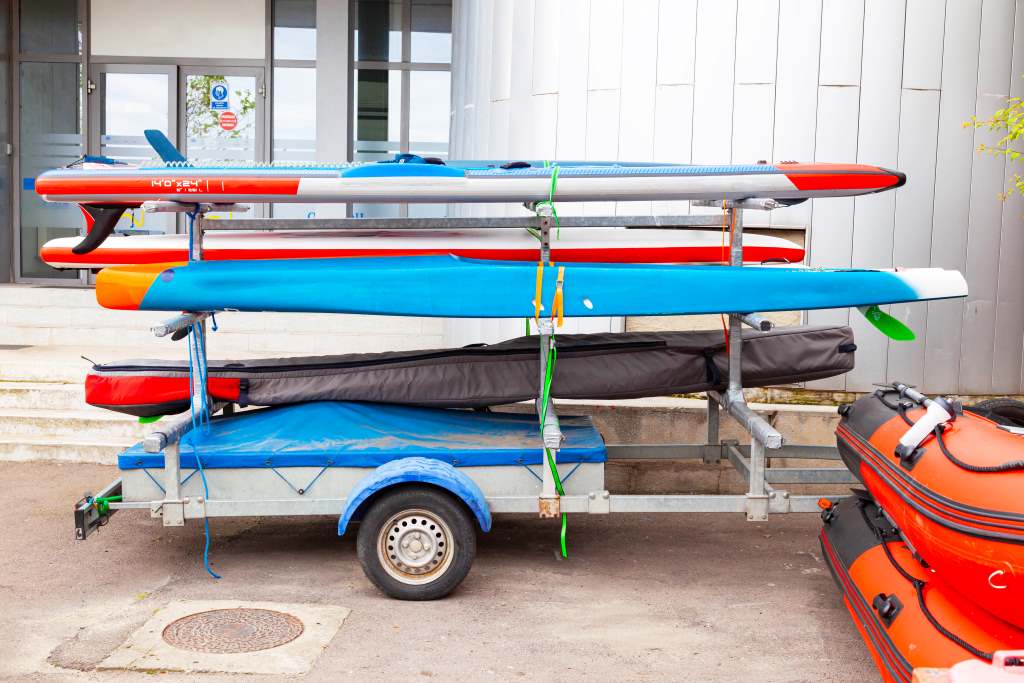
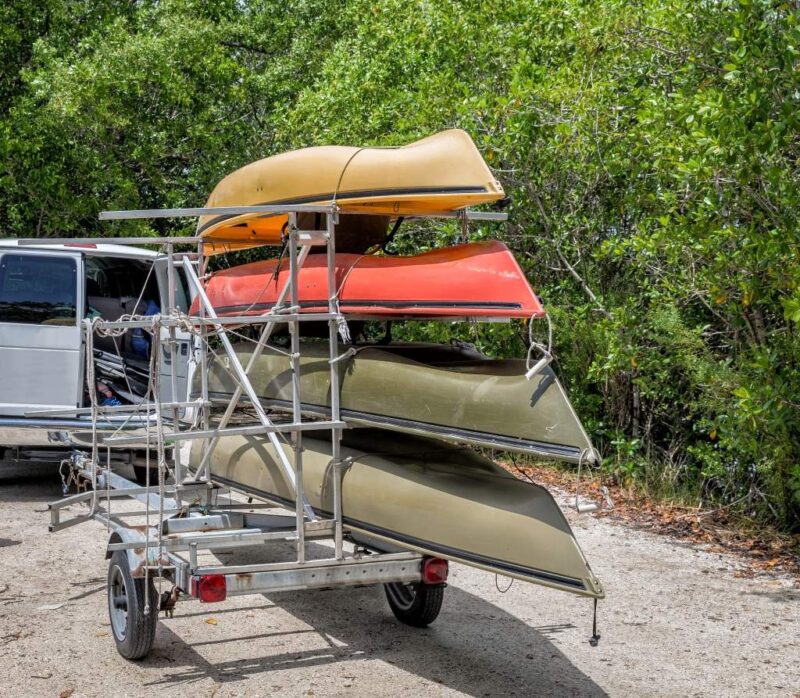
Selecting the right storage solution depends on space, budget, and boat type. Wall-mounted racks, freestanding stands, or ceiling hoists work well for kayaks. For larger boats, trailers or covered docks offer protection. Each option ensures your equipment avoids damage from moisture or pests. For example, ceiling hoists maximize garage space, while trailers allow mobility.
Consider your environment when choosing. Coastal areas require rust-resistant materials like stainless steel. According to a 2022 report by Boating Industry Magazine, 70% of boaters prefer portable storage for flexibility. I once struggled with limited garage space but found a foldable rack that saved room. Therefore, assess your needs and space before investing in a storage system.
Organizing Coolers for Efficiency
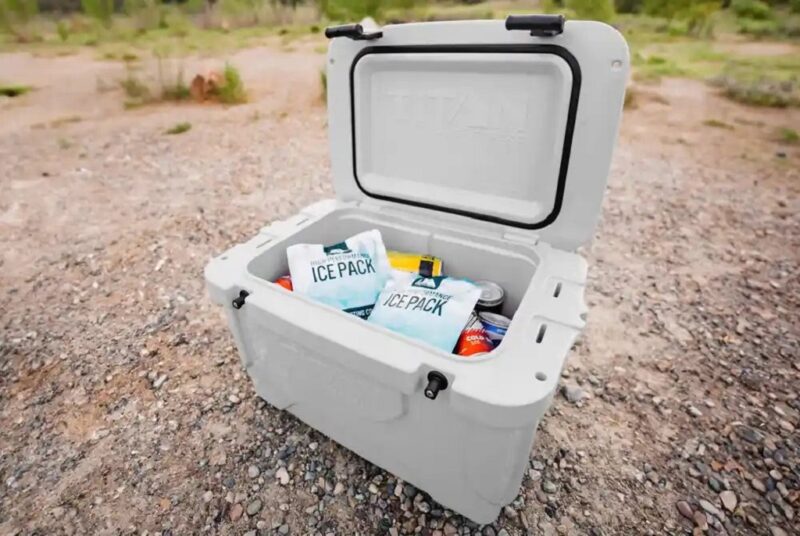
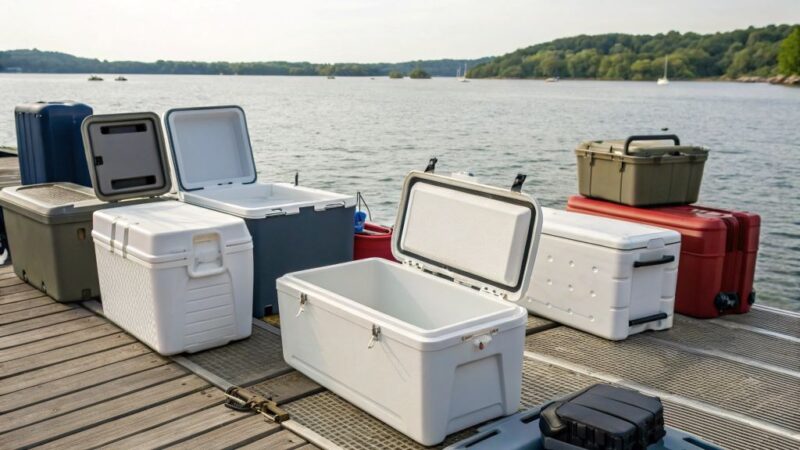
Coolers are essential for keeping food and drinks fresh during boating trips. However, poor organization wastes space and time. Start by choosing a cooler size that fits your boat or kayak. Smaller coolers suit kayaks, while larger ones work for boats. Use dividers or baskets to separate items like drinks, snacks, and perishables.
Pack strategically to maximize space. Place heavy items at the bottom and frequently used ones on top. Additionally, pre-chill your cooler to maintain cold temperatures longer. A 2024 study by Outdoor Gear Lab found that organized coolers retain ice 20% longer than cluttered ones. I learned this lesson after a fishing trip when disorganized gear led to spoiled food. Now, I use clear containers for quick access.
Explore the Family Fishing Vacations, Lake Huron Islands
Tips for Cooler Organization
- Use clear bins: Separate food and drinks for easy access.
- Label items: Mark containers to avoid rummaging.
- Pack ice last: Place ice bags on top to keep items cold.
Gear Organization for Hassle-Free Adventures
Gear organization streamlines your boating experience. Life jackets, paddles, and fishing gear need designated spots to avoid clutter. Use dry bags for electronics and clothing to protect against water damage. Wall hooks or shelving units keep items accessible in storage areas. For example, I hang paddles on hooks to prevent damage.
Create a checklist before each trip to ensure nothing is forgotten. Group similar items, like safety gear, in labeled bags. This approach saves time on the water. Moreover, regularly inspect gear for wear and tear. A friend once lost a paddle mid-trip due to poor storage. Since then, I’ve used mesh bags for small items, making packing and unpacking effortless.
Gear Organization Essentials
- Dry bags: Keep electronics and clothes safe from water.
- Labeled storage: Use bins for quick identification.
- Regular checks: Inspect gear for damage before trips.
Seasonal Storage Tips for Kayaks and Boats
Seasonal storage requires extra care to protect equipment during off-seasons. Clean kayaks and boats thoroughly to remove salt, dirt, or algae. Dry them completely to prevent mold. Store boats upside down or on racks to avoid hull stress. For coolers, empty and dry them to prevent odors.
Cover your equipment with UV-resistant tarps or custom covers. In colder climates, store indoors to avoid freezing damage. According to the American Canoe Association, 80% of kayak damage occurs during winter due to improper storage. I once neglected to cover my kayak, leading to faded colors. Now, I use a breathable cover and store it indoors, ensuring it stays like new.
Space-Saving Hacks for Small Areas
Small spaces can challenge kayak and boat storage. Wall-mounted racks or vertical stands save floor space. For apartments, consider collapsible kayaks or inflatable boats. Ceiling hoists work well for garages, lifting boats out of the way. Additionally, stackable bins organize gear efficiently.
For coolers, use multi-purpose models with wheels for easy transport. Store smaller items inside larger gear to maximize space. I live in a small apartment and struggled with storage until I installed a ceiling hoist. It freed up space and kept my kayak safe. Therefore, explore creative solutions to fit your storage needs, no matter the space constraints.
Maintaining Your Equipment for Longevity
Regular maintenance extends the life of kayaks, boats, coolers, and gear. Rinse boats after each use, especially in saltwater, to prevent corrosion. Check for cracks or wear and repair them promptly. For coolers, clean with mild soap to avoid odors. Inspect gear like paddles and life jackets for damage.
Store items in a dry, cool place to prevent degradation. For example, UV exposure can weaken life jackets over time. A 2023 study by the Boat Owners Association found that regular maintenance reduces repair costs by 30%. I make it a habit to clean and inspect my gear monthly, which has saved me from costly replacements.
Safety Considerations for Storage and Organization
Safety is critical when storing kayaks, boats, and gear. Secure racks and hoists to prevent accidents. Ensure heavy items, like coolers, are stored low to avoid tipping. Label hazardous items, such as fuel containers, and store them separately. Additionally, keep gear organized to avoid tripping hazards.
Check storage areas for pests or moisture, which can damage equipment. I once found a nest in my kayak after neglecting it for months. Now, I inspect my storage area regularly. Safe storage not only protects your gear but also ensures peace of mind. Therefore, prioritize safety in your organization system.
Conclusion
Effective kayak and boat storage, paired with smart coolers and gear organization, enhances your boating experience. By choosing the right storage solutions, maintaining equipment, and organizing gear, you save time and money. These practices protect your investment and ensure safety on the water. Whether you’re storing a kayak in a small apartment or organizing coolers for a long trip, these tips help. Share your storage hacks in the comments or spread this guide to help fellow boaters. Let’s keep our adventures smooth and stress-free with proper kayak and boat storage and gear organization.
FAQs
How do I store a kayak in a small apartment?
Use a wall-mounted rack or ceiling hoist to save space. Collapsible kayaks are also ideal for tight areas.
What’s the best way to organize a cooler for boating?
Pack heavy items at the bottom, use dividers, and pre-chill the cooler for efficiency.
How can I protect my boat during winter storage?
Clean and dry the boat, store it upside down, and use a UV-resistant cover.
What gear organization tools are essential for kayaking?
Dry bags, labeled bins, and wall hooks keep gear accessible and protected.
How often should I maintain my kayak or boat?
Clean after each use and inspect monthly to prevent damage and extend longevity.