Fishing should feel calm and rewarding, not frustrating. Yet, tangled lines can ruin even the best day on the water. Many anglers struggle with line twists, knots, and uneven spooling. According to data from the U.S. Fish and Wildlife Service, over 49 million Americans fish each year, and improper gear setup remains a common issue among beginners and experienced anglers alike. A fishing line spooler solves this problem by keeping tension steady and preventing twists. In simple terms, it helps you load your reel smoothly and correctly. This guide explains how to choose the right spooler and use it like a pro for a clean, tangle-free setup.
What Is a Fishing Line Spooler and Why It Matters
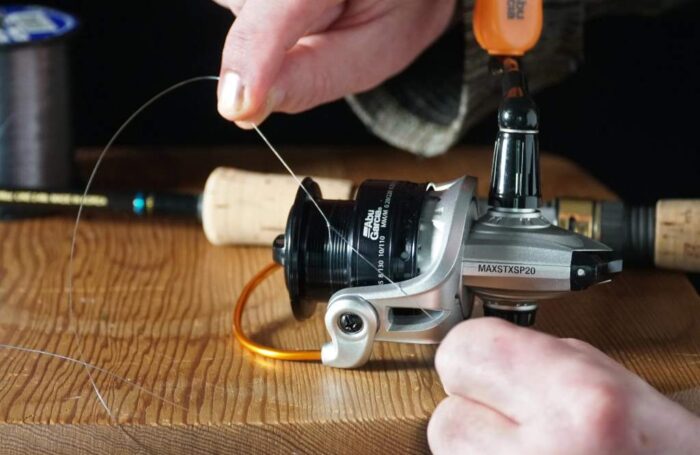
A fishing line spooler is a tool that helps transfer fishing line from a supply spool to your reel. It controls tension and alignment, which reduces twists and tangles. Without proper tension, line can loosen, creating knots during casting.
Moreover, a spooler saves time. Instead of struggling with manual spooling, you get a consistent and clean result in minutes. This tool also protects your line quality, which directly affects casting distance and accuracy.
Key Benefits of Using a Fishing Line Spooler
- Maintains steady line tension during setup
- Prevents line twists and tangles
- Improves reel performance and casting accuracy
- Saves time and effort
- Works with spinning, baitcasting, and spincast reels
Types of Fishing Line Spoolers
Choosing the right spooler starts with understanding the different types available. Each type serves a specific purpose and suits different fishing styles.
1. Handheld Spoolers
Handheld spoolers are compact and portable. You can carry them easily in your tackle box. They work well for quick setups and casual fishing trips. However, they require manual control, so tension may vary slightly.
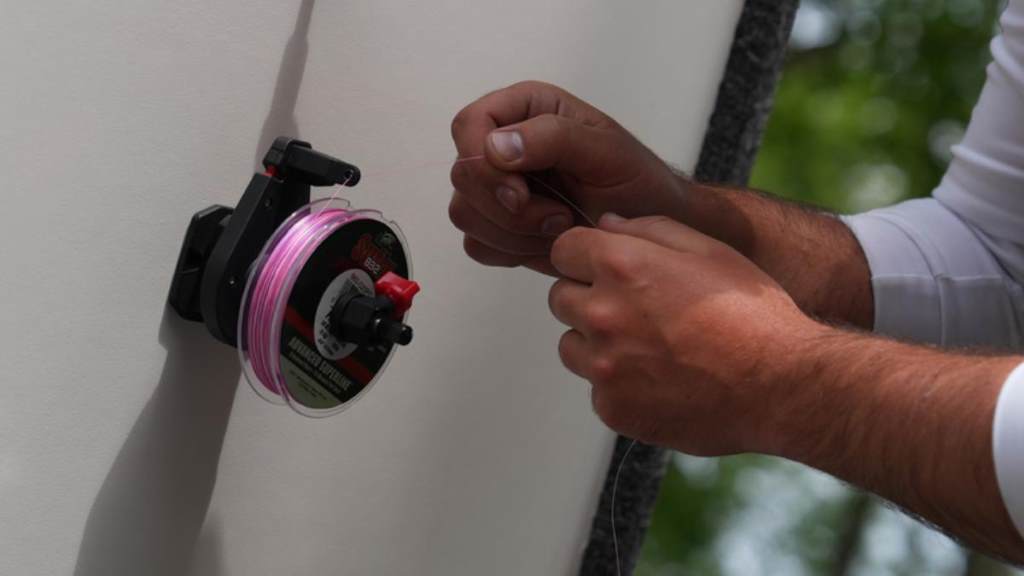
2. Table-Mounted Spoolers
These spoolers attach to a table or bench. They offer better stability and consistent tension. As a result, they are ideal for anglers who frequently respool reels at home.
3. Electric Spoolers
Electric spoolers automate the process. They provide precise tension control and reduce physical effort. Although more advanced, they are perfect for serious anglers who want efficiency and accuracy.
4. Multi-Reel Spoolers
Multi-reel spoolers handle different reel types. They are versatile and useful for anglers with multiple setups. You can switch between reels without adjusting the entire system.
How to Choose the Right Fishing Line Spooler
Selecting the best spooler depends on your fishing style, experience level, and equipment. A good choice ensures smooth operation and long-term reliability.
Consider Your Reel Type
Different reels require different spooling techniques. For example, spinning reels need line to come off the spool in a specific direction. Meanwhile, baitcasting reels require even tension to avoid backlash.
Evaluate Build Quality
Durable materials like metal and high-grade plastic last longer. A sturdy spooler also maintains consistent pressure, which improves results.
Check Tension Control Features
Adjustable tension is essential. It allows you to match the pressure to different line types, such as monofilament, fluorocarbon, or braided line.
Portability vs Stability
If you travel often, choose a portable spooler. On the other hand, a table-mounted option works better for home use due to its stability.
Ease of Use
Simple designs save time. Look for spoolers that are easy to assemble and adjust. Clear instructions also help beginners avoid mistakes.
Step-by-Step Guide: How to Use a Fishing Line Spooler
Using a spooler correctly ensures a smooth and tangle-free setup. Follow these steps for the best results.
Step 1: Attach the Spooler
Secure the spooler to a stable surface or hold it firmly if it is handheld. Make sure it does not move during use.
Step 2: Mount the Line Spool
Place the fishing line spool onto the spooler. Ensure it spins freely but stays aligned.
Step 3: Thread the Line Through the Reel
Guide the line through the rod guides and tie it to the reel spool. Use a strong knot like an arbor knot.
Step 4: Apply Steady Tension
Start reeling slowly. Keep consistent tension to avoid loose wraps. This step is crucial for preventing tangles.
Step 5: Fill the Reel Properly
Do not overfill the reel. Leave a small gap near the edge to ensure smooth casting.
Common Mistakes to Avoid
Even with a spooler, mistakes can happen. Avoiding these errors improves your setup.
- Overfilling the reel, which causes line spill
- Using uneven tension, leading to tangles
- Ignoring line direction for spinning reels
- Skipping line inspection for damage
- Rushing the process without checking alignment
Best Practices for Tangle-Free Fishing Line Setup
Consistency and attention to detail make a big difference. These practices help maintain a clean setup.
Match Line Type to Fishing Conditions
Different lines perform better in specific environments. For example, braided line works well in heavy cover, while fluorocarbon is better for clear water.
Maintain Proper Tension
Always keep steady pressure while spooling. This prevents loose coils that cause knots.
Store Line Correctly
Keep unused line in a cool, dry place. Heat and sunlight can weaken it over time.
Replace Old Line Regularly
Old line becomes brittle and prone to breaking. Replace it periodically to maintain performance.
Advanced Tips for Experienced Anglers
Once you master the basics, you can refine your technique further.
Use Backing Line
Adding backing line saves main line and improves spool efficiency. It also prevents slipping on the reel.
Check Line Memory
Some lines retain shape after being stored. Stretching the line slightly before use reduces memory and improves casting.
Fine-Tune Tension Settings
Adjust tension based on line type and reel. For example, braided line needs tighter tension compared to monofilament.
How a Fishing Line Spooler Improves Performance
A properly spooled reel enhances every aspect of fishing. Casting becomes smoother, and accuracy improves. Additionally, reduced tangles mean less downtime and more time fishing.
Research from the National Oceanic and Atmospheric Administration highlights that efficient gear setup increases catch success rates. While technique matters, equipment preparation plays a key role in overall performance.
Conclusion
A fishing line spooler is a simple tool with a big impact. It saves time, reduces frustration, and improves your fishing experience. By choosing the right type and following proper techniques, you can achieve a smooth, tangle-free setup every time. Focus on steady tension, correct alignment, and regular maintenance. These steps ensure better casting and fewer problems on the water. Start using a spooler today and enjoy a more efficient and stress-free fishing routine.
FAQs
What is the best type of fishing line spooler for beginners?
Handheld spoolers are best for beginners. They are simple, affordable, and easy to use. They also require minimal setup, making them ideal for learning basic spooling techniques.
Can I use a fishing line spooler for all reel types?
Yes, most spoolers work with spinning, baitcasting, and spincast reels. However, you should adjust tension and setup based on the reel type for best results.
How tight should the fishing line be when spooling?
The line should feel firm but not overly tight. Consistent tension prevents loose coils while avoiding damage to the line.
How often should I replace my fishing line?
Replace your line every few months if you fish regularly. For occasional use, inspect it before each trip and replace it if you notice wear or damage.
Does a fishing line spooler prevent all tangles?
It significantly reduces tangles but does not eliminate them completely. Proper technique and regular maintenance also play important roles.