
Fishing success hinges on choosing the best seasonal lures, baits, and locations. Each season shifts fish behavior, demanding specific strategies to maximize your catch. Whether you’re a beginner or a seasoned angler, understanding how to adapt your tackle and target prime spots is key. This guide explores the best seasonal lures, baits, and locations to help you reel in more fish. From spring’s shallow waters to winter’s deep holes, we’ll cover proven techniques and expert tips. Let’s dive into the world of seasonal fishing and boost your angling game with practical advice and trusted insights!
Spring: Pre-Spawn and Spawn Fishing
Spring brings bass and other fish into shallow waters for spawning, making it a prime season for anglers. Water temperatures, typically 55–65°F, drive fish to feed aggressively before nesting. According to a 2023 study by Wired2Fish, bass are most active at 65–80°F, favoring lures that mimic baitfish. Suspending jerkbaits and lipless crankbaits excel in early spring, covering vast water and mimicking chilled baitfish. During spawn, soft plastics like lizards or worms provoke defensive strikes from bedding bass.
For locations, target shallow flats, grassy areas, and docks. Focus on brush piles or rocky banks where bass stage. I once fished Lake Okeechobee in March, tossing a soft plastic crawfish near docks, and landed a 6-pound bass! Use bright colors like red or chrome for visibility in murky spring waters. These lures and spots ensure success during this active season.
Best Spring Lures and Baits:
- Suspending Jerkbaits: Imitate dying baitfish with slow retrieves.
- Lipless Crankbaits: Cover water quickly in grassy lakes.
- Soft Plastics: Lizards or worms for bedding bass.
Summer: Deep Water and Topwater Action
Summer pushes fish deeper as water warms above 70°F, often reaching 80°F or higher. Bass seek cooler, oxygen-rich depths, making offshore structures prime targets. A 2025 FishingBooker report notes that spinnerbaits and deep-diving crankbaits work best in summer, mimicking shad or bluegill. Slow retrieves with pauses attract sluggish fish in warmer waters. Topwater lures, like poppers, shine during early mornings or late evenings when bass feed near the surface.
Focus on deep points, ledges, or creek channels for locations. I recall a summer trip to Lake Fork, where a deep-diving crankbait near a submerged hump yielded a 4-pound bass. For inshore species like trout, use smaller soft plastics (3.5 inches or less) to avoid spooking fish. Fish near docks or mangroves for consistent bites. These tactics make summer fishing rewarding despite the heat.
Best Summer Lures and Baits:
- Deep-Diving Crankbaits: Target deep structures.
- Spinnerbaits: Create flash and vibration.
- Topwater Poppers: Ideal for early or late bites.
Fall: Feeding Frenzy Opportunities
Fall triggers a feeding frenzy as fish prepare for winter, with water cooling to 50–65°F. Bass chase shad into creeks, making it ideal for fast-moving lures. According to BassResource, spinnerbaits and lipless crankbaits in shad or chartreuse colors dominate fall fishing. Slow-rolled spinnerbaits along timber lines or drop-offs work wonders. Soft plastics, like creature baits, also shine when fished near stumps or points.
Target creek mouths, main lake points, or shallow banks for locations. Last fall, I fished a local reservoir with a white spinnerbait and hooked three bass in an hour near a creek channel. Vary retrieves with twitches to mimic fleeing baitfish. For saltwater species like redfish, use topwater lures near flats or mangroves. Fall’s aggressive feeding makes it a prime time to experiment with bold colors and retrieves.
Best Fall Lures and Baits:
- Spinnerbaits: Slow-roll in deep waters.
- Lipless Crankbaits: Mimic shad in open water.
- Soft Plastics: Creature baits for structure fishing.
Winter: Slow and Steady Wins
Winter slows fish metabolism as water drops below 50°F, requiring finesse techniques. BassResource suggests jigs with pork trailers or Texas-rigged worms for slow presentations. These lures mimic sluggish forage, perfect for lethargic bass. Jigging spoons also excel in deep, clear waters, where bass suspend. Use subtle movements to avoid spooking fish. Colors like black/blue or brown work best in cold, clear conditions.
Focus on deep holes, ledges, or channel edges for locations. I once braved a chilly December day on a local lake, dropping a jigging spoon into a 30-foot hole, and pulled up a 3-pound bass. For trout, small spinners or jigs with light lines (2–4-pound test) work in streams. Patience and slow retrieves are key to winter fishing success.
Best Winter Lures and Baits:
- Jigs with Trailers: Slow presentations for deep bass.
- Jigging Spoons: Ideal for clear, deep water.
- Texas-Rigged Worms: Subtle movements for sluggish fish.
Choosing the Right Colors for Seasonal Success
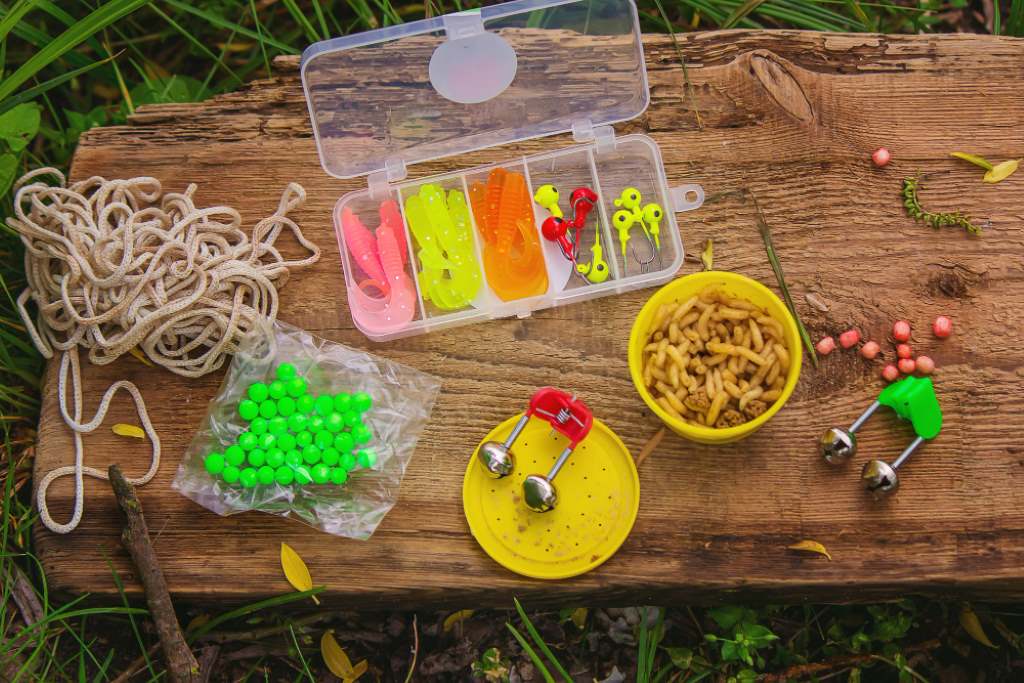
Lure color impacts catch rates, especially when matching local baitfish. In spring and fall, bright colors like chartreuse or red attract fish in murky waters. Summer calls for natural hues like shad or white to blend with clear conditions. Winter demands darker tones like black/blue for visibility in deep, clear waters. A 2025 FishingBooker guide emphasizes that color, paired with flash or rattle, boosts strikes by 20% in low-visibility conditions.
Experiment with contrasting colors, like adding red strands to a white spinnerbait skirt. I’ve found that a chartreuse-tipped worm often triggers bites when standard colors fail. Match lure size to prey—smaller in winter, larger in fall. Always carry a variety of colors to adapt to changing water clarity and light conditions. Discover Best Knot for Swimbaits.
Prime Fishing Locations by Season
Location choice is as crucial as selecting the best seasonal lures, baits, and locations. In spring, fish shallow flats or grassy areas near spawning beds. Summer shifts focus to deep structures like points or humps. Fall fishing thrives in creek mouths and banks where baitfish congregate. Winter demands deep holes or ledges where fish conserve energy. Mapping tools, like those from Navionics, help pinpoint these spots.
I’ve had success targeting brush piles in spring at local lakes, while summer trips to deeper channels yield bigger catches. Always check water temperature and clarity to refine location choices. For saltwater, flats and mangroves are hotspots year-round, especially for redfish or trout. Explore local reports or forums for real-time insights on productive spots.
Tips for Beginners: Building Confidence
Beginners should start with versatile lures like spinnerbaits or soft plastics, which work across seasons. Practice casting in open areas to master accuracy. Use light tackle (6–8-pound line) for panfish or trout, and heavier (10–12-pound) for bass. Keep your tackle box simple—carry only seasonal essentials to avoid overwhelm. Online resources, like FishingBooker, offer beginner-friendly guides.
My first fishing trip was daunting, but using a simple spinnerbait helped me land a small bass, boosting my confidence. Experiment with retrieves—fast in fall, slow in winter. Join local fishing communities for tips on the best seasonal lures, baits, and locations. Practice makes perfect, so get out there and cast!
Conclusion
Mastering the best seasonal lures, baits, and locations transforms your fishing experience. Spring’s jerkbaits, summer’s crankbaits, fall’s spinnerbaits, and winter’s jigs cater to fish behavior shifts. Targeting the right spots—shallows in spring, deep structures in summer, creeks in fall, and holes in winter—maximizes success. With the right colors and techniques, you’ll reel in more catches year-round. My own journey, from novice to confident angler, proves that adapting to seasons is key. Explore these strategies, test new lures, and share your catches in the comments below. Let’s keep the fishing community thriving—drop a comment or share this guide with fellow anglers!
FAQs
What are the best seasonal lures for spring bass fishing?
Suspending jerkbaits, lipless crankbaits, and soft plastics like lizards work best. They mimic baitfish and provoke strikes from spawning bass in shallow flats or docks.
Which baits should I use for summer trout fishing?
Use smaller soft plastics (3.5 inches or less) or topwater poppers. Fish deeper waters or near docks to target active trout in warmer conditions.
Where are the best fall fishing locations for bass?
Creek mouths, main lake points, and shallow banks are ideal. Bass chase shad here, making these spots perfect for spinnerbaits or crankbaits.
How do I choose lure colors for winter fishing?
Opt for dark colors like black/blue or brown. These provide visibility in deep, clear waters, attracting sluggish fish with slow presentations.
Can beginners use the best seasonal lures effectively?
Yes, start with versatile lures like spinnerbaits or soft plastics. Practice casting and vary retrieves to match seasonal fish behavior for quick success.