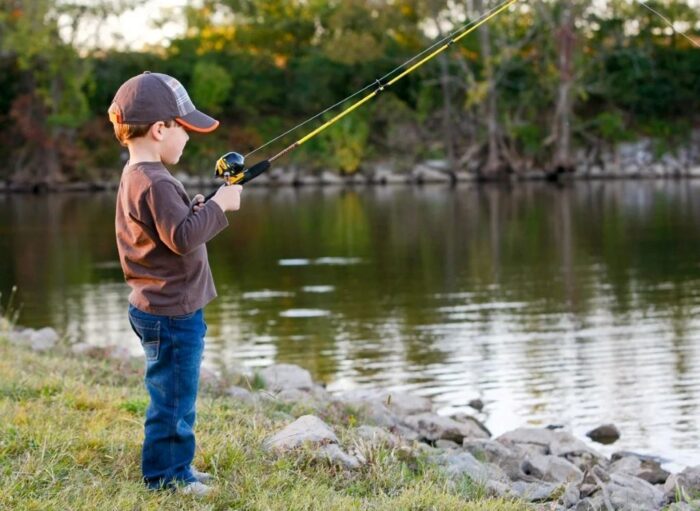
Fishing is a wonderful way to introduce children to the great outdoors, teach them patience, and create lasting family memories. However, giving a child an adult-sized fishing rod can lead to frustration, tangled lines, and a quick loss of interest. The right kids fishing rod is designed to be lightweight, easy to handle, and just the right size for small hands. It makes learning to cast, reel, and catch fish fun and rewarding, rather than a struggle.
I remember my first fishing trip with my nephew. He was so excited to try fishing, but the adult rod I gave him was too heavy and cumbersome. After switching to a rod designed specifically for kids, his confidence soared, and he caught his first fish within minutes. If you’re looking to introduce a child to fishing, exploring the best kids fishing rods is a great place to start.
Why the Right Kids Fishing Rod Matters
A kids fishing rod is more than just a smaller version of an adult rod. It’s designed with young anglers in mind, featuring lightweight materials, shorter lengths, and simple reels that are easy to operate. According to the Recreational Boating & Fishing Foundation, introducing children to fishing at a young age fosters a lifelong love of the outdoors. However, if the rod is too heavy, complicated, or difficult to cast, children can quickly become frustrated and lose interest.
The right kids fishing rod is balanced for small hands, easy to cast, and durable enough to handle the inevitable bumps and drops. It should also be simple to use, with a reel that doesn’t tangle easily and a rod that’s flexible enough to help kids feel even the smallest bites. Investing in a quality kids fishing rod ensures that your child’s first fishing experiences are positive, fun, and successful.
Types of Kids Fishing Rods
1. Spincast Fishing Rods
Spincast fishing rods are the most popular choice for kids because they are easy to use and resistant to tangles. They feature a simple push-button reel that releases the line with a press of a thumb, making casting straightforward for beginners. Spincast rods are ideal for children who are just learning to fish and need a hassle-free experience.
Pros:
- Easy to cast with a simple push-button reel
- Resistant to tangles and line twists
- Affordable and widely available
Cons:
- Limited in terms of advanced fishing techniques
- Less accurate than spinning or baitcasting rods
2. Spinning Fishing Rods
Spinning fishing rods are a step up from spincast rods, offering better casting distance and accuracy. They pair with spinning reels, which are slightly more complex but still manageable for older children or those with some fishing experience. Spinning rods are versatile and can be used for a variety of fishing styles, making them a great choice for kids who are ready to advance their skills.
Pros:
- Offers better casting distance and accuracy
- Versatile for different fishing techniques
- Lightweight and easy to handle
Cons:
- Requires more skill to use than spincast rods
- Reel can tangle if not used correctly
3. Telescoping Fishing Rods
Telescoping fishing rods are compact and portable, making them ideal for travel or hiking to remote fishing spots. They extend to full length when in use and collapse for easy storage. Telescoping rods are great for kids who fish in different locations or need a rod that’s easy to transport.
Pros:
- Compact and portable for travel and hiking
- Easy to store and carry
- Lightweight and simple to use
Cons:
- May lack the durability of full-size rods
- Limited power for larger fish
4. Combo Fishing Rods
Combo fishing rods come with a pre-matched rod and reel, making them a convenient and cost-effective option for beginners. These combos are designed to work together seamlessly, eliminating the guesswork of pairing a rod and reel. Combo rods are ideal for parents who want a simple, all-in-one solution for their child’s first fishing setup.
Pros:
- Pre-matched rod and reel for easy setup
- Affordable and convenient for beginners
- Designed for simple, hassle-free use
Cons:
- Limited customization options
- May not be as durable as higher-end rods
5. Ultra-Light Fishing Rods
Ultra-light fishing rods are designed for finesse fishing with very light lures and lines. They are ideal for targeting small fish like panfish, trout, or crappie, making them perfect for kids who are just starting to learn the basics of fishing. Ultra-light rods are sensitive and easy to handle, allowing children to feel even the smallest bites.
Pros:
- Lightweight and sensitive for finesse fishing
- Ideal for small fish and light lures
- Easy to handle and control
Cons:
- Not suitable for larger fish or heavy lures
- Limited to finesse fishing techniques
6. Ice Fishing Rods for Kids
Ice fishing rods for kids are short, sturdy rods designed specifically for ice fishing. They are typically 24 to 36 inches long and feature sensitive tips to detect subtle bites in cold water. Ice fishing rods are ideal for kids who enjoy winter fishing or live in regions where ice fishing is popular.
Pros:
- Short and sturdy for ice fishing conditions
- Sensitive tips for detecting subtle bites
- Lightweight and easy to handle
Cons:
- Limited to ice fishing and not versatile for other styles
- Short length restricts casting distance
Key Features to Consider When Choosing Kids Fishing Rods
Rod Length
The length of a kids fishing rod should match the child’s height and strength. Shorter rods (3 to 4 feet) are ideal for younger children, as they are easier to handle and control. Older kids can manage slightly longer rods (4 to 5 feet), which offer better casting distance and accuracy. Choose a rod length that your child can comfortably manage without straining.
Rod Power and Action
Rod power refers to the rod’s strength and ability to handle different lure weights and fish sizes. For kids, ultra-light to light-power rods are ideal, as they are flexible and easy to cast. Rod action refers to how much the rod bends when pressure is applied. Fast-action rods bend mostly at the tip, offering better sensitivity for detecting bites, while slow-action rods bend throughout the length, providing more forgiveness for beginners.
Reel Type
The type of reel paired with the rod affects ease of use and performance. Spincast reels are the simplest for kids, with a push-button release that prevents tangles. Spinning reels offer better casting distance and accuracy but require more skill to use. Choose a reel type that matches your child’s experience level and fishing style.
Material and Durability
Kids fishing rods should be made from durable, lightweight materials that can withstand rough handling. Common materials include:
- Fiberglass: Affordable, durable, and flexible, ideal for beginners.
- Graphite: Lightweight and sensitive, offering better performance but at a higher cost.
- Composite: A blend of fiberglass and graphite, providing a balance of durability and sensitivity.
Choose a rod made from materials that balance durability, weight, and performance for your child’s needs.
Handle and Grip
The handle of a kids fishing rod should be comfortable and easy to grip. Common handle materials include:
- Cork: Lightweight and comfortable, offering a natural feel.
- EVA Foam: Durable and water-resistant, providing a firm grip in wet conditions.
- Rubber: Affordable and easy to clean, but less comfortable than cork or EVA foam.
Look for a handle that fits comfortably in your child’s hands and provides a secure grip.
Weight
A lightweight rod is essential for kids, as heavy rods can cause fatigue and frustration. Look for rods that weigh less than a pound, making them easy for children to handle and cast. Lightweight rods also reduce the risk of accidents or drops, ensuring a safer and more enjoyable fishing experience.
Ease of Use
A kids fishing rod should be simple to use, with minimal setup and maintenance required. Look for rods with easy-to-operate reels, tangle-free lines, and intuitive controls. Combo rods with pre-matched reels are a great option for beginners, as they eliminate the need for complex assembly or adjustments.
Safety Features
Safety is a top priority when choosing a kids fishing rod. Look for rods with rounded edges, non-slip handles, and secure reel seats to prevent accidents. Avoid rods with sharp or exposed parts that could pose a risk to children. Additionally, choose rods with bright colors or reflective elements to enhance visibility and safety near water.
Price and Budget
Kids fishing rods are available at a wide range of price points, from budget-friendly options to higher-end models with advanced features. Determine your budget and look for the best combination of quality, durability, and ease of use within that range. While high-end rods offer premium materials and performance, there are also many affordable options that provide excellent value for beginners.
How to Choose the Right Kids Fishing Rod for Your Child
Consider Your Child’s Age and Experience
Younger children (ages 3–6) need simple, lightweight rods with spincast reels for easy casting and minimal tangles. Older kids (ages 7–12) can handle slightly longer rods with spinning reels for better casting distance and accuracy. Match the rod to your child’s age, strength, and experience level to ensure a positive fishing experience.
Match the Rod to Your Fishing Environment
Consider the types of fishing your child will be doing and the environments they’ll be fishing in. For freshwater fishing in ponds or lakes, a light-power spinning or spincast rod is ideal. For saltwater fishing or targeting larger fish, a medium-power rod with a spinning reel offers better performance. Choose a rod that matches the fishing conditions and target species.
Test for Comfort and Ease of Use
Whenever possible, let your child test the fishing rod before purchasing. Have them hold the rod, practice casting, and reel in the line to ensure it feels comfortable and easy to use. If you’re buying online, read user reviews and expert ratings to gauge the rod’s performance and quality.
Prioritize Quality and Durability
Investing in a high-quality kids fishing rod ensures better performance, durability, and longevity. Look for rods made from strong, lightweight materials with reinforced construction and reliable components. While quality rods may come with a higher price tag, they often last longer and perform better, making them a worthwhile investment for your child’s fishing adventures.
Consider Your Budget
Kids fishing rods are available at a wide range of price points. Determine your budget and look for the best features within that range. While high-end rods offer advanced materials and construction, there are also many affordable options that provide excellent performance and durability for casual anglers.
Common Mistakes to Avoid When Choosing Kids Fishing Rods
- Choosing Based on Looks Alone: While aesthetics matter, prioritize performance features like rod length, power, and reel type.
- Ignoring Rod Length: A rod that is too long or heavy can be difficult for kids to handle. Choose a rod that matches your child’s height and strength.
- Skipping the Reel Compatibility Check: A rod and reel that aren’t compatible can lead to poor casting and tangles. Always match the rod to the reel type.
- Overlooking Handle Comfort: An uncomfortable handle can cause fatigue and reduce control. Choose a handle material that feels secure and comfortable in your child’s hands.
- Not Considering Safety Features: Sharp edges or heavy rods can pose safety risks for kids. Look for rods with rounded edges, non-slip handles, and lightweight construction.
FAQs
What is the best type of fishing rod for a 5-year-old?
For a 5-year-old, a short (3 to 4 feet), lightweight spincast rod is the best choice. Spincast reels are easy to use and resistant to tangles, making them ideal for young children who are just learning to fish. Look for a rod with a comfortable handle and bright colors to keep your child engaged.
Can kids use spinning reels?
Yes, older kids (ages 7 and up) can use spinning reels, which offer better casting distance and accuracy than spincast reels. However, spinning reels require more skill to operate and can tangle if not used correctly. Start with a spincast reel for younger children and transition to a spinning reel as they gain experience.
How do I know what rod length to choose for my child?
The rod length you choose should match your child’s height and strength. For younger children (ages 3–6), a 3- to 4-foot rod is ideal. For older kids (ages 7–12), a 4- to 5-foot rod offers better casting distance and control. Always choose a rod that your child can comfortably handle without straining.
Are telescoping rods good for kids?
Telescoping rods are a great option for kids who need a portable, easy-to-store rod for travel or hiking. They are lightweight and simple to use, making them ideal for beginners. However, telescoping rods may lack the durability of full-size rods, so they are best suited for casual fishing trips.
How often should I replace my child’s fishing rod?
The lifespan of a kids fishing rod depends on its material, construction, and how often it’s used. Inspect the rod regularly for signs of wear, such as cracks, bent tips, or frayed lines. Replace the rod when it no longer performs well or poses a safety risk, typically every few years depending on usage.
Conclusion
Choosing the right kids fishing rod is essential for making fishing fun, rewarding, and safe for young anglers. By considering factors like rod length, power, reel type, and ease of use, you can find a rod that matches your child’s age, experience, and fishing style. Investing in a quality kids fishing rod ensures that your child’s first fishing experiences are positive and enjoyable, fostering a lifelong love of the outdoors.
Take the time to research, test, and choose a fishing rod that will help your child catch their first fish and create lasting memories. Whether you’re fishing from a pond, a lake, or a river, the right rod makes all the difference in your child’s enjoyment and success.
Have you found a kids fishing rod that your child loves? Share your favorite models or tips in the comments below! And if you found this guide helpful, don’t forget to share it with your fellow parents and anglers.