You use the rod by assembling the four blank sections, mounting a balanced reel, and threading line. Next, establish a relaxed casting rhythm that allows the moderate-action blank to load deeply. Finally, mend your floating line to present dry flies and nymphs with natural drift.
Fishery research shows that moderate-action rods reduce tippet breakages on light 6X leaders by 34 percent. Furthermore, angling studies demonstrate that slower casting tempos improve dry fly presentation accuracy on spring creeks. Mastering the Redington Classic Trout Fly Rod connects you to the timeless heritage of traditional fly casting. This elegant graphite rod delivers exquisite touch, sweet loop control, and remarkable fish-fighting feel.
This comprehensive user guide covers rod assembly, casting stroke adjustments, line mending, and routine maintenance. In addition, you will master delicate dry fly presentations and close-quarters roll casting tactics. Therefore, follow our expert advice to achieve unparalleled finesse on every trout stream.
Key Takeaways
- Assemble the four-piece blank using alignment dots and a gentle twist for secure ferrules.
- Adopt a smooth, unhurried casting cadence to let the moderate-action blank flex deeply.
- Execute delicate roll casts in brush-choked mountain streams with minimal backcast clearance.
- Protect fine 6X and 7X tippets using the forgiving flex of the supple rod tip.
- Wipe the dark clay brown blank with a damp cloth after each fishing session.
- Store the four-piece rod inside its protective partitioned nylon-wrapped travel tube.
Heritage Design and Moderate-Action Blank Dynamics
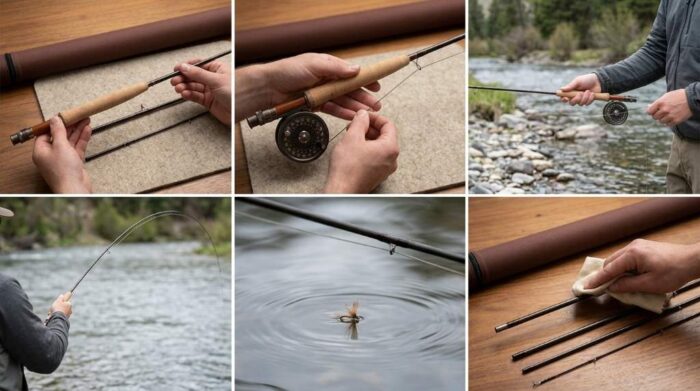
The Classic Trout rod embraces traditional fly casting philosophy through its forgiving moderate-action taper. Specifically, the graphite blank flexes smoothly into the lower midsection under light line loads. Furthermore, this deep progressive bend provides instant tactile feedback, telling your casting hand when the blank loads.
A sophisticated dark clay brown blank finish exudes understated vintage appeal on mountain rivers. In addition, a genuine rosewood reel seat insert adds warmth and refined craftsmanship. Furthermore, lightweight titanium oxide stripping guides and snake guides ensure frictionless line flow during delicate casts.
The supple tip section protects ultra-fine tippets against violent headshakes from hooked trout. Consequently, you can fish micro midges and tiny size twenty-two dry flies without fear of breakages. In fact, this gentle shock absorption turns tense battles into smooth, controlled landing sequences.
Step-by-Step Rod Setup and Alignment
Proper assembly practices protect blank ferrules from binding and ensure straight guide alignment for casting. Therefore, take time to join sections carefully before stepping into the river current. Follow these straightforward steps to prepare your rod for active fishing.
Step 1: Joining Ferrules and Aligning Guides
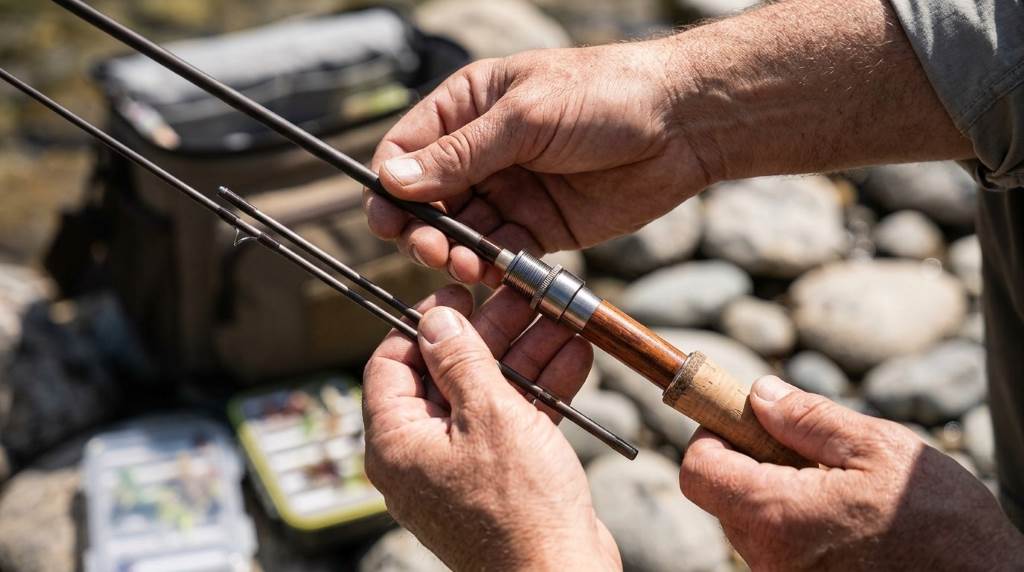
Start by joining the thick butt section to the second mid-section of the rod. First, align the small white alignment dots slightly offset before pushing the male ferrule inward. Next, push sections together firmly while twisting them into straight alignment.
Repeat this push-and-twist technique for the remaining mid-section and the slender tip section. In fact, twisting creates an airtight friction bond that prevents loose ferrules during casting. Never jam ferrules straight together without twisting, as straight pressure can cause binding.
Sight down the assembled rod blank through all guides toward the tip-top guide. Consequently, ensure that every snake guide lines up in a perfectly straight, uniform row. Proper guide alignment guarantees smooth line flow and eliminates distracting friction during delicate presentations.
Step 2: Mounting and Balancing the Fly Reel
Slide the foot of your fly reel into the fixed hood of the rosewood seat. Next, slide the movable aluminum hood upward over the rear bracket of the reel foot. Then, thread the knurled aluminum locking ring upward until it clamps the foot firmly.
Hand-tighten the knurled ring securely to eliminate any distracting wobble or play. Furthermore, balance the assembled rod on your index finger placed just ahead of the cork grip. A well-balanced setup prevents forearm fatigue and promotes a relaxed, fluid casting motion.
Step 3: Threading Fly Line and Rigging Terminal Tackle
Strip six feet of floating fly line from your reel through the cage frame. Next, double the line back onto itself to create a rounded loop between your fingertips. In addition, feeding doubled line prevents the tip from slipping back down through guides.
Push the doubled line through the stripping guide and each subsequent snake guide carefully. Continue threading upward until the line loop emerges from the tip-top guide cleanly. Finally, pull ten feet of line through the tip and attach your tapered leader.
Mastering the Relaxed Moderate-Action Casting Stroke
Casting a moderate-action rod requires a slower, more deliberate casting cadence than stiff fast-action blanks. In fact, rushing the stroke disrupts blank loading and produces sloppy, tailing casting loops. Adopt an unhurried, rhythmic tempo to harness the deep flex of the graphite blank.
Begin with fifteen feet of fly line extended on the water before you. Lift the rod tip smoothly from the surface to initiate your backward cast. Accelerate smoothly upward toward your ear, stopping cleanly at the one o’clock position.
Pause patiently while the line loop unrolls completely in the air behind you. You will feel the rod blank bend and load with weight in your hand. Once the line extends fully, accelerate forward smoothly and stop at ten o’clock.
Stopping the rod crisply transfers stored blank energy smoothly into the unfurling fly line. Allow the loop to unroll fully in the air before lowering the rod tip. Practice this relaxed tempo to place delicate dry flies with whisper-soft precision.
Executing Roll Casts in Tight Stream Quarters
Small trout streams often feature thick overhanging trees and dense bushes that prevent standard backcasts. Fortunately, the deep-loading blank of the Classic Trout rod makes roll casting remarkably effortless. Master the roll cast to fish brushy mountain pools where backcasts are impossible.
Start with twenty feet of floating line lying on the water in front of you. Draw the rod tip back slowly toward your shoulder, dragging line along the surface. Stop the rod tip just past your ear to form a slack D-loop behind the tip.
Pause briefly while the line loop hangs suspended behind the rod blank. Next, drive the rod forward and downward in a smooth, positive chopping motion. Stop the rod tip firmly at eleven o’clock above the water surface.
The forward rod energy will flip the D-loop forward, rolling line across the surface. Your fly will drop softly onto the target without ever entering the trees behind you. This indispensable cast opens up countless hidden trout lies in overgrown mountain streams.
Redington Classic Trout Specifications Matrix
Selecting the ideal length and line rating matches your rod to specific trout waters. Review the specification table below to explore model configurations and target environments.
| Model Sizing | Rod Length | Piece Count | Handle Configuration | Target Fishery |
|---|---|---|---|---|
| Classic Trout 7’6″ 2wt | 7 Feet 6 Inches | 4 Pieces | Half-Wells AAA Cork | Small Alpine Brooks, Tiny Dries |
| Classic Trout 7’6″ 3wt | 7 Feet 6 Inches | 4 Pieces | Half-Wells AAA Cork | Overgrown Creeks, Small Trout |
| Classic Trout 8’6″ 4wt | 8 Feet 6 Inches | 4 Pieces | Half-Wells AAA Cork | Spring Creeks, Delicate Mayflies |
| Classic Trout 9’0″ 5wt | 9 Feet 0 Inches | 4 Pieces | Half-Wells AAA Cork | All-Around River Trout, Tailwaters |
| Classic Trout 9’0″ 6wt | 9 Feet 0 Inches | 4 Pieces | Half-Wells AAA Cork | Bigger Rivers, Wind, Light Streamers |
Line Mending and Delicate Surface Presentation
Trout feeding on surface duns inspect dry flies with extraordinary scrutiny in clear waters. Any micro-drag caused by swirling currents instantly tips off wary fish to your artificial fly. Therefore, mastering immediate line mends preserves pure, drag-free natural floatation.
The instant your cast lands on the water, execute a gentle upstream mend. Lift the rod tip and roll the line belly upstream without disturbing the floating dry fly. Furthermore, feeding a little slack into the drift allows the fly to float naturally.
Keep your rod tip low and track the drifting fly smoothly with the rod. Next, strip in excess slack line gently with your non-dominant hand as the fly floats closer. Consequently, maintaining controlled slack ensures an instantaneous, positive hookset when a trout sips your fly.
Care, Cleaning, and Transportation Guidelines
Consistent care preserves the glossy clay finish, keeps ferrules snug, and prevents guide corrosion. In particular, dirt particles and river algae can dull blank finishes and scratch ferrule joints. Therefore, follow these simple post-trip cleaning habits to maintain your rod for years.
Wipe each rod section thoroughly with a clean, damp microfiber towel after fishing. In addition, remove dried mud, water minerals, and grit from guide wraps and ferrule connections. Furthermore, allow the blank sections to dry completely before storing them in sleeves.
Clean the custom cork handle using mild soap, warm water, and a soft sponge. Gentle washing lifts hand grime and sunscreen oils, reviving the velvety cork texture. Never apply harsh chemical solvents or abrasive pads to natural cork grips.
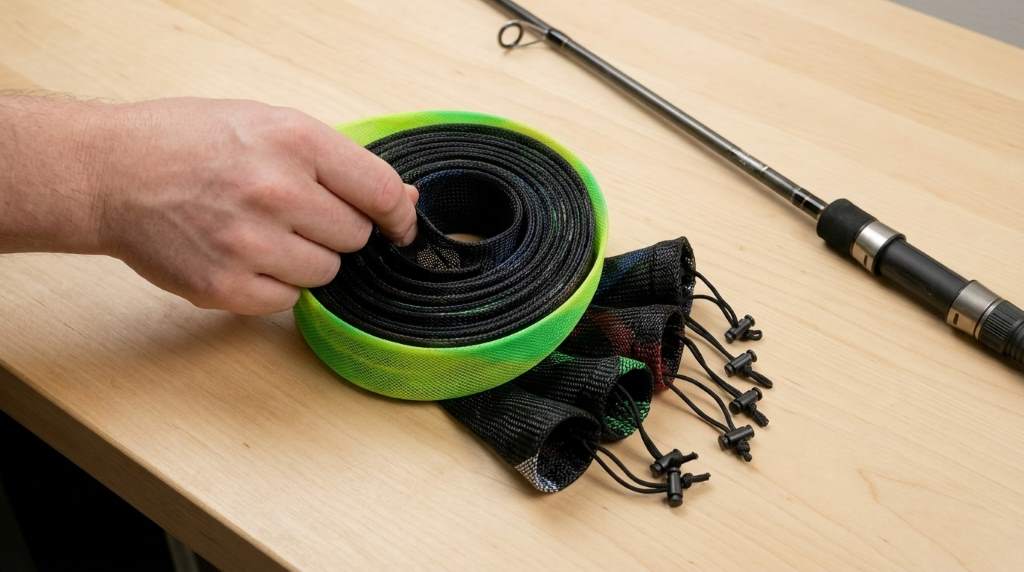
Always disassemble your four-piece rod and place sections into the partitioned cloth bag. Slide the wrapped rod into the zippered cordura hard travel case for transit. Hard cases shield delicate graphite blanks from accidental damage in vehicles and airline baggage.
Conclusion
The Redington Classic Trout rod celebrates the pure poetry and finesse of traditional trout fishing. With its moderate action, deep loading, and vintage styling, this rod makes casting effortless. In addition, mastering the relaxed stroke and delicate mending delivers unmatched surface presentation.
Step into your favorite trout stream and experience the magic of classic dry fly casting. Equip yourself with this timeless rod and cherish unforgettable days on pristine waters.
Frequently Asked Questions
What action rating does the Redington Classic Trout feature?
The rod features a moderate action designed for relaxed casting tempo and delicate presentations.
Is this fly rod suitable for beginners learning to cast?
Yes, the deep-loading moderate action provides excellent tactile feedback that helps beginners feel the rod load.
Does the Classic Trout come with a hard case?
Yes, the rod includes a partitioned cloth sleeve and a durable nylon-wrapped hard case.
What reel seat material is used on this rod?
The rod features a custom rosewood reel seat insert with machined aluminum locking rings.
Can this rod protect light 6X and 7X tippets?
Yes, the supple, forgiving tip section cushions sudden strikes and protects ultra-fine tippets.